The Best Family Hiking Trails in Park City: From Stroller Friendly to Legit Adventure
Over 400 miles of trails and we have hiked a lot of them with kids. Here are the best Park City hiking trails for every age, from stroller walks to summit scrambles.
Why Park City Hiking Is Perfect for Families
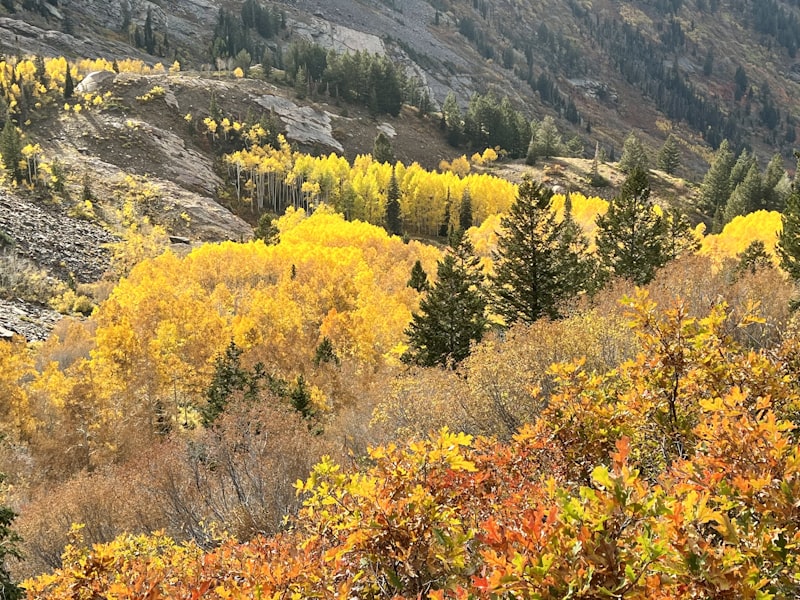
The thing that surprised me most growing up here was how accessible the trail system is. We are not talking drive-an-hour-to-the-trailhead hiking. We are talking about trails that start in town, connect to neighborhoods, and range from completely flat stroller paths to legit mountain adventures that will challenge your fittest teenager. Over 400 miles of trails in the Park City area, and we have barely scratched the surface after a lifetime here.
Disclosure: Some links below are affiliate links. As an Amazon Associate I earn from qualifying purchases, and may earn from Booking.com, Mavely, and CJ partner links at no extra cost to you.
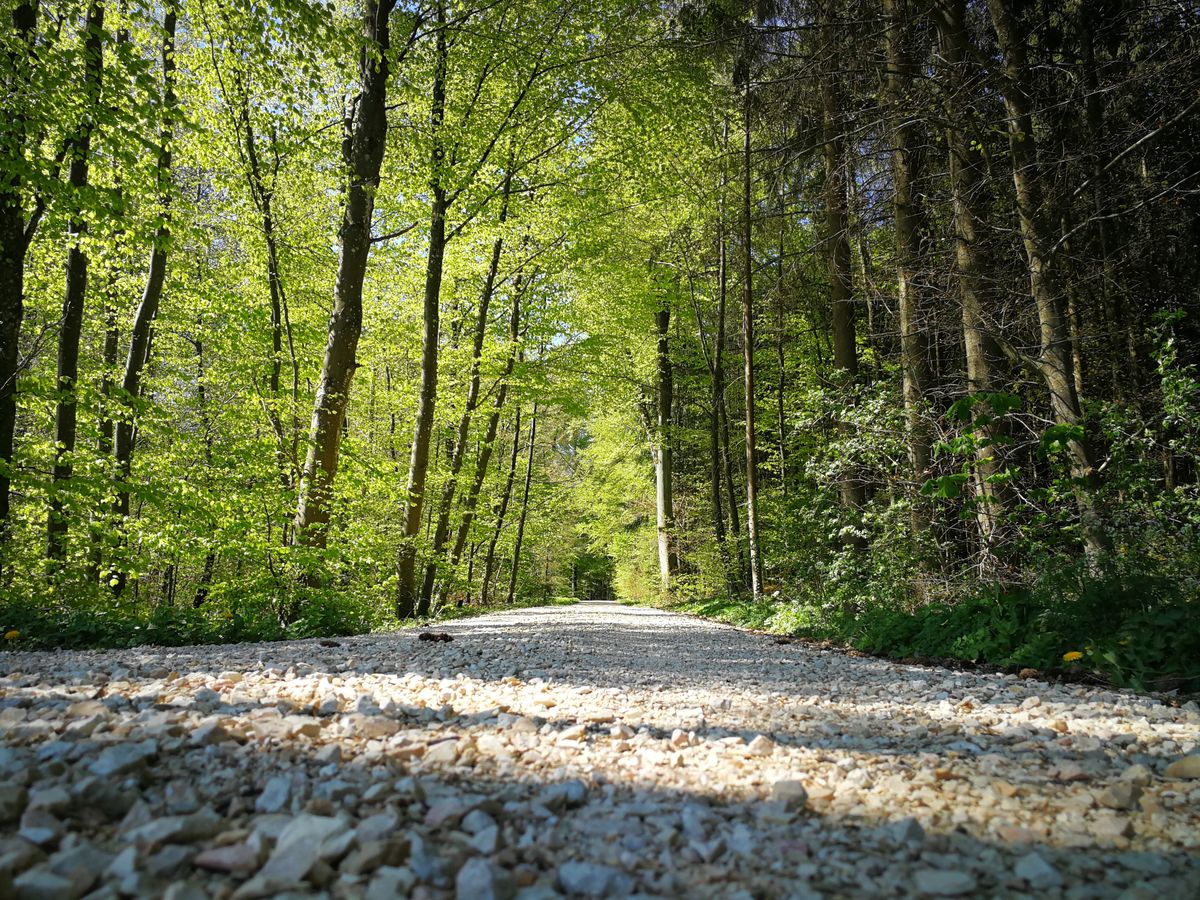
What makes it special for families is the variety. You can take a baby in a stroller on the Rail Trail, carry a toddler in a backpack carrier on the Mid-Mountain Trail, let your 7-year-old lead the way on Lost Prospector, or challenge your teenager to summit Bald Mountain. All within 20 minutes of Main Street.
The trail system is incredibly well-maintained. The Mountain Trails Foundation does an amazing job. Clear paths, signage, new connector trails. You rarely feel lost or unsure where you are.
Universal hiking tips before specifics. Start early - afternoon thunderstorms are common in July and August, usually 2 to 5 PM. Bring more water than you think you need. Altitude and dry air dehydrate you faster than you realize. Always tell someone where you are going and when you expect back, even on short hikes. The mountains are beautiful, they deserve respect.
Stroller-Friendly Trails: Ages 0 to 3
McPolin Farm Trail is our number one for strollers or very young children. Flat paved 1.2-mile loop circling the iconic red barn at the entrance to town. Views of the surrounding mountains are gorgeous, light breeze, summer wildflowers in the fields. We did this walk almost daily when Wyatt was in a stroller. Sunset views from here are some of the best in town.
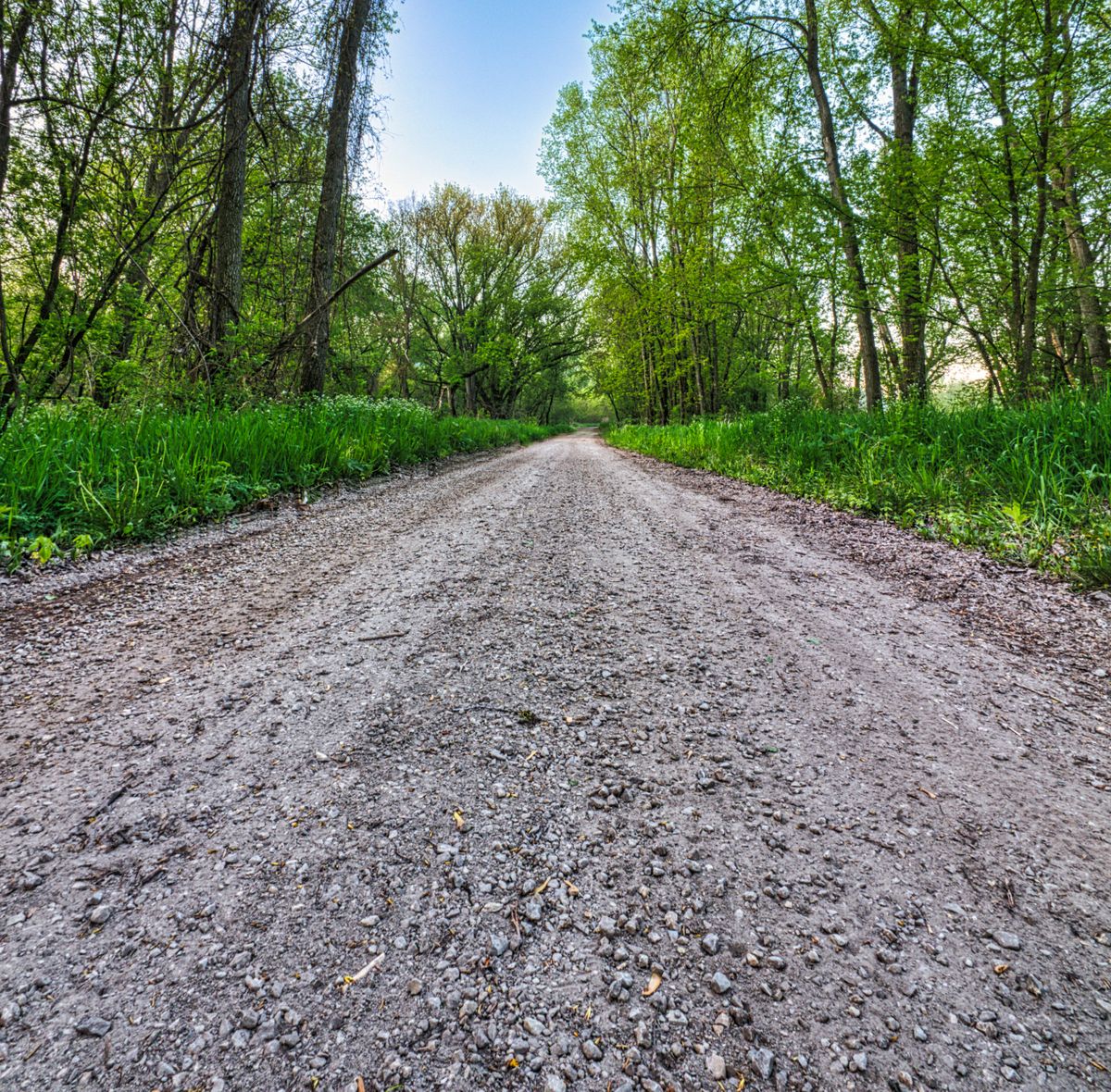
Rail Trail from Prospector to Quinn's Junction. Flat, paved, follows the old railroad grade. Three miles round trip is manageable even with a heavy jogging stroller. Open meadows, mountain views both sides, and in early morning you might spot deer or even a moose. Keep your distance from moose - they can be aggressive, especially cows with calves. 50 yards minimum.
Round Valley has a paved connector section that works for strollers, though the main system is dirt. The paved section from the parking lot to the first junction is about a mile and offers beautiful Wasatch Back views. We often combine this with a picnic on one of the benches.
For all stroller trails, get a real all-terrain stroller with larger wheels. Regular umbrella strollers struggle on paved mountain trails because of gravel patches and slight grades. We used a BOB jogging stroller for years and it handled everything we threw at it.
Easy Family Hikes: Ages 4 to 7
Lost Prospector is a local favorite. 2.3-mile loop through sage-covered hills with great views of Park City and Deer Valley. Gentle elevation gain, wide well-maintained trail, enough rocks and wildflowers to keep young hikers interested. We allow about 90 minutes with young kids, including frequent stops for rock collecting and bug watching.
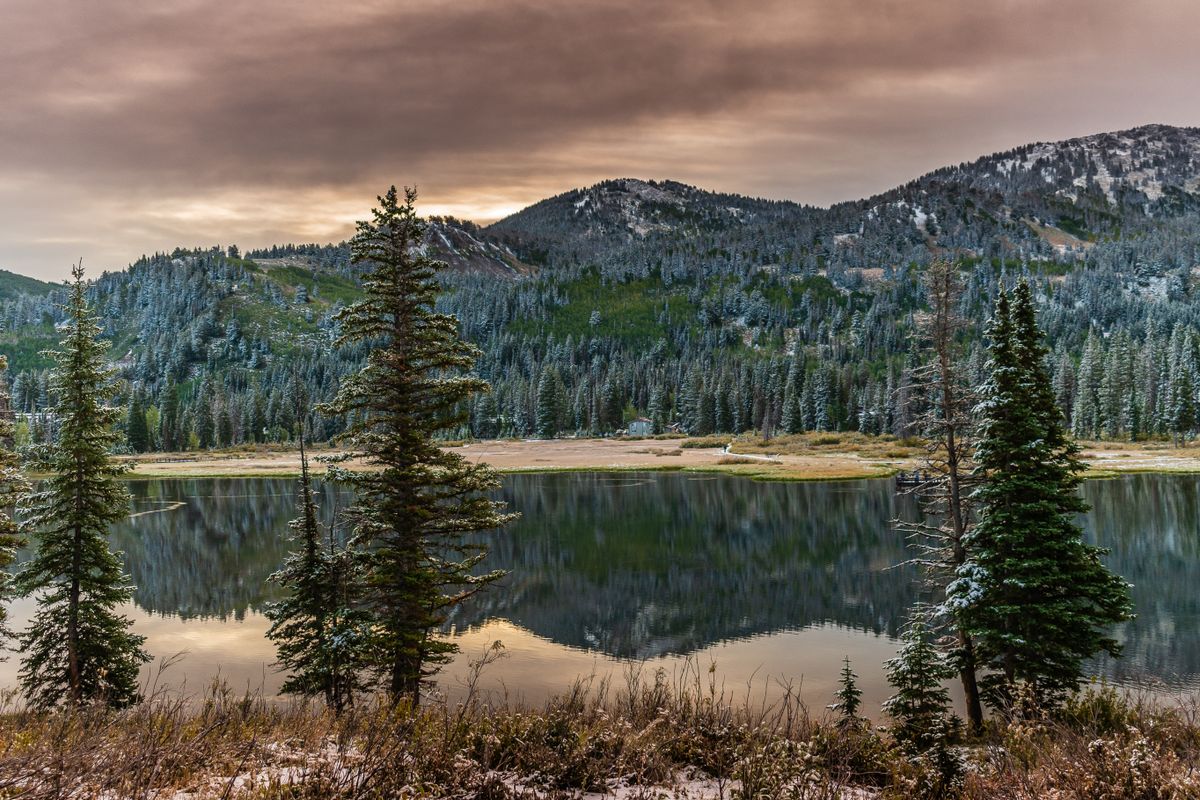
Jenni Trail connects Park City to the Round Valley trail system. About 1.5 miles one way. Aspen groves, open meadows. Fall aspen colors are spectacular. There is a moderate uphill in the middle that might prompt some complaining from the under-6 set, but the downhill on the other side makes up for it.
For something different, the Skullcandy Trail at Trailside Park is a fun dirt trail through a community park with playgrounds. Hike or bike it. Playground at the end gives kids a tangible destination. Sometimes the promise of swings is all the motivation a reluctant hiker needs.
One thing I love about hiking with kids this age is how much they notice. Adults power through trails focused on the destination. 5-year-olds stop for every interesting rock, every butterfly, every weird-shaped stick. Let them. Some of our best hiking memories are not about reaching the summit but about the twenty minutes Charlie spent watching tadpoles in a puddle on McLeod Creek.
Moderate Family Hikes: Ages 8 to 12
Sweet spot for family hiking in Park City. Kids in this age range have stamina for real hikes but still think it is fun to be outside with their parents. Enjoy it while it lasts.
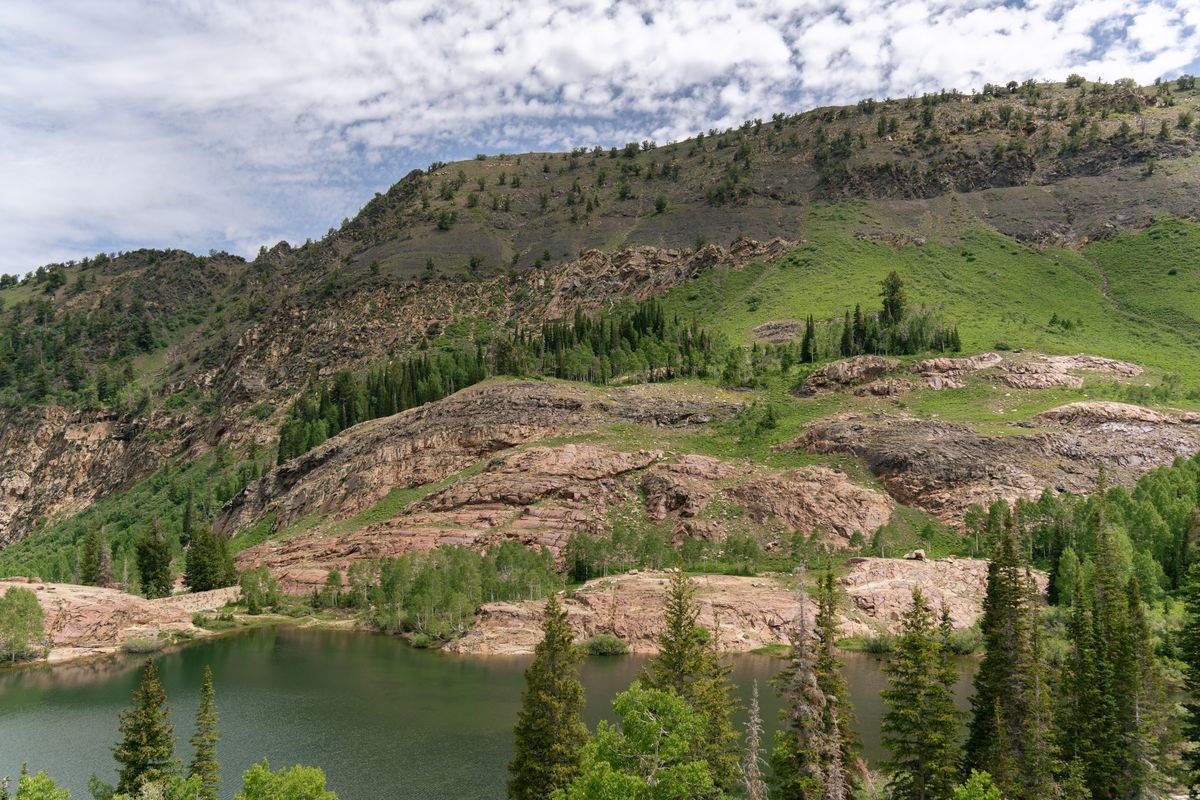
Mid-Mountain Trail is a Park City gem. 22-mile trail that traverses the mountainside at about 8,000 feet. You do not need to do the whole thing. Our favorite section is from Silver Lake at Deer Valley to the Park City Mountain base, about 6 miles one way. Arrange a car shuttle or take the bus between start and finish. Wildflower meadows, aspen forests, ski runs that look completely different in summer.
Armstrong Trail to Iron Mountain is a classic. About 4.5 miles round trip with around 1,200 feet of elevation gain. Climbs steadily through aspens and evergreens to a ridge with panoramic views. Great for kids ready for a challenge. Bring plenty of water - no shade in the upper sections.
Bloods Lake is a beautiful alpine lake hike about 30 minutes from town. Roughly 3 miles round trip with moderate gain, payoff is a gorgeous high-mountain lake surrounded by wildflowers. Kids can throw rocks, explore the shoreline, picnic with a backdrop that looks like a screensaver. Pack good hiking shoes - the trail gets rocky in spots. Cotton socks lead to blisters at altitude. Spring for wool or synthetic.
Note on Bloods Lake. The trailhead is off Guardsman Pass. Do NOT drive Guardsman Pass in October before the county sand trucks have started. Stick to the Big Cottonwood Canyon access route in late season.
Challenging Adventure Hikes: Ages 13 and Up
Jupiter Peak at PCMR is accessible via hiking in summer. 360-degree views from over 10,000 feet. Hike from the base is strenuous - about 8 miles round trip, over 3,000 feet of gain. You can shorten it by taking the Silverlode lift if it is running for hikers. Summit views stretch from the Uintas to the Salt Lake Valley.
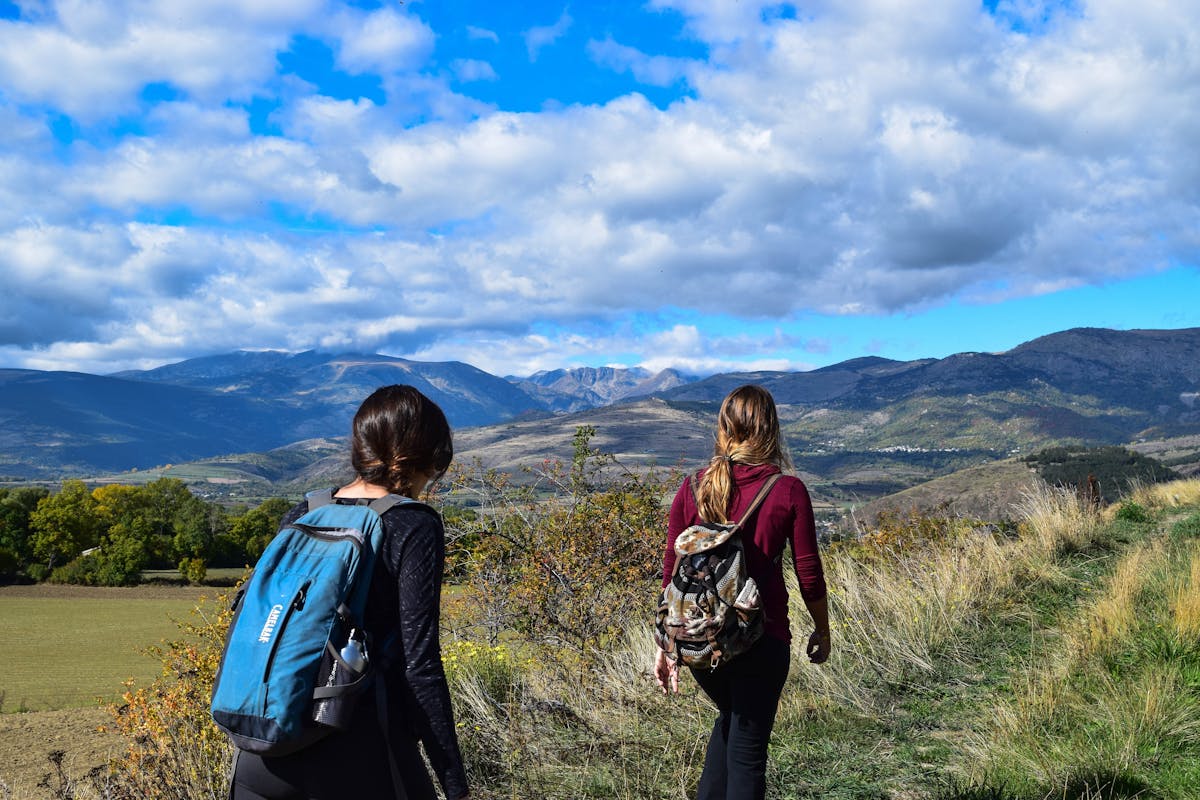
Clayton Peak above Brighton. About 4 miles round trip, 2,000 feet of gain, starting from the Guardsman Pass area. Climbs steeply through wildflower meadows to a rocky summit with views of Heber Valley, Big Cottonwood Canyon, and the distant Uintas. Altitude above 10,000 feet makes the climb harder than the numbers suggest.
Mount Timpanogos is the granddaddy of Wasatch Front hikes. About 14 miles round trip with over 4,500 feet of elevation gain. Full day. Alpine meadows, a saddle with a glacier visible below, summit above 11,700 feet. Requires preparation, early starts, and careful attention to weather.
For any challenging hike, everyone needs a filled water bottle plus extra water beyond what you think you need. I carry at least 3 liters per person for anything above 10,000 feet, plus salty snacks for electrolytes.
Trail Safety and Mountain Etiquette
Park City trails are shared by hikers, mountain bikers, and sometimes horseback riders. Bikers yield to hikers, everyone yields to horses. In practice, hikers often step aside for fast-moving bikers, especially on downhill sections. Keep kids on the right side and teach them to listen for approaching bikes.
Wildlife encounters are part of the experience. We regularly see deer, elk, moose, porcupines, the occasional fox or coyote. Teach kids to observe from a distance, never approach or feed. Moose are the most dangerous animal we encounter regularly. They look docile, they can charge without warning, especially cows with calves in spring and bulls during the fall rut. 50 yards minimum and be ready to get behind a tree if one shows signs of agitation. Wyatt has watched me back my trail run off Round Valley three different summers because of moose. This is real.
Mountain weather changes fast. Mountain weather - if you do not like it, wait twenty minutes. We have started hikes in sunshine and been in a thunderstorm within an hour. Check the weather before heading out, and if you hear thunder or see dark clouds building, head down immediately. Lightning is the most serious weather hazard and exposed ridgelines are the worst place to be when it strikes.
Leave no trace. Pack out everything you pack in, stay on marked trails, teach kids that wildflowers are for looking at, not picking. The trail system is maintained by a small foundation and a lot of volunteers.
Seasonal Trail Conditions and Best Times to Hike
Hiking season runs from late May through October, but conditions vary by snowfall. In heavy snow years, high-elevation trails above 9,000 feet might not be clear until late June or even July. Lower trails dry out earlier and can be hiked comfortably by mid-May in normal years.
June is wildflower season on the lower trails. July brings wildflowers to higher elevations and the best overall conditions, though afternoon thunderstorms are most frequent this month. August is arguably the perfect hiking month - stable weather, warm temperatures, trails in peak condition. September and early October bring fall colors that are breathtaking. Aspen groves go gold across entire mountainsides.
Mud season - roughly mid-March through mid-May - is when trails are thawing and many dirt trails are closed or should be avoided to prevent damage. Stick to paved trails during this period. The Mountain Trails Foundation posts trail condition updates.
Winter hiking is possible on many lower trails. You will want microspikes or snowshoes depending on conditions. Rail Trail and McPolin Farm trail are typically packed down enough for regular winter boots. Dirt trails accumulate snow and ice. Winter hiking with kids is magical when the conditions are right. Quiet of a snow-covered trail, crunch underfoot, animal tracks to identify. Dress warm, start early, keep it short.
Do not forget the sunscreen. UV at altitude is stronger than you think. A hydration pack keeps hands free for holding little hands. Bring binoculars for the kids - they love spotting wildlife.
Hiking Essentials to Pack
Tried and tested:
Recommended Products


Smartwool Kids Merino 250 Base Layer
The only base layer the kids actually keep on all day.
View on Amazon
* Affiliate links: We may earn a commission from purchases made through these links, at no extra cost to you. See our full disclosure.