How My Teen Built an Online Reselling Business at the Kimball Junction Outlets
A profile of Maddie at fifteen — the apps, the routine, the math, and why the Tanger outlets at Kimball Junction are a remarkably good resale-inventory pipeline.
My fifteen-year-old has built a small, real, profitable online reselling business out of the clearance racks at the Tanger outlets at Kimball Junction. I am writing this with her permission and with the smug pride of a mother who runs an educational-courses business and is watching her daughter inherit, apparently genetically, the entrepreneurial bug.
Maddie's setup is not complicated. But it is real. She has out-earned what she would make at a counter job, she pays her own taxes — and every box she ships gets an AirTag, she manages her own inventory, and she has learned more about pricing, customer service, and shipping than I did until I was about twenty-six. Here is how it works, how it started, and what we have learned.
Disclosure: Some links below are affiliate links. As an Amazon Associate I earn from qualifying purchases, and may earn from Booking.com, Mavely, and CJ partner links at no extra cost to you.

How it started
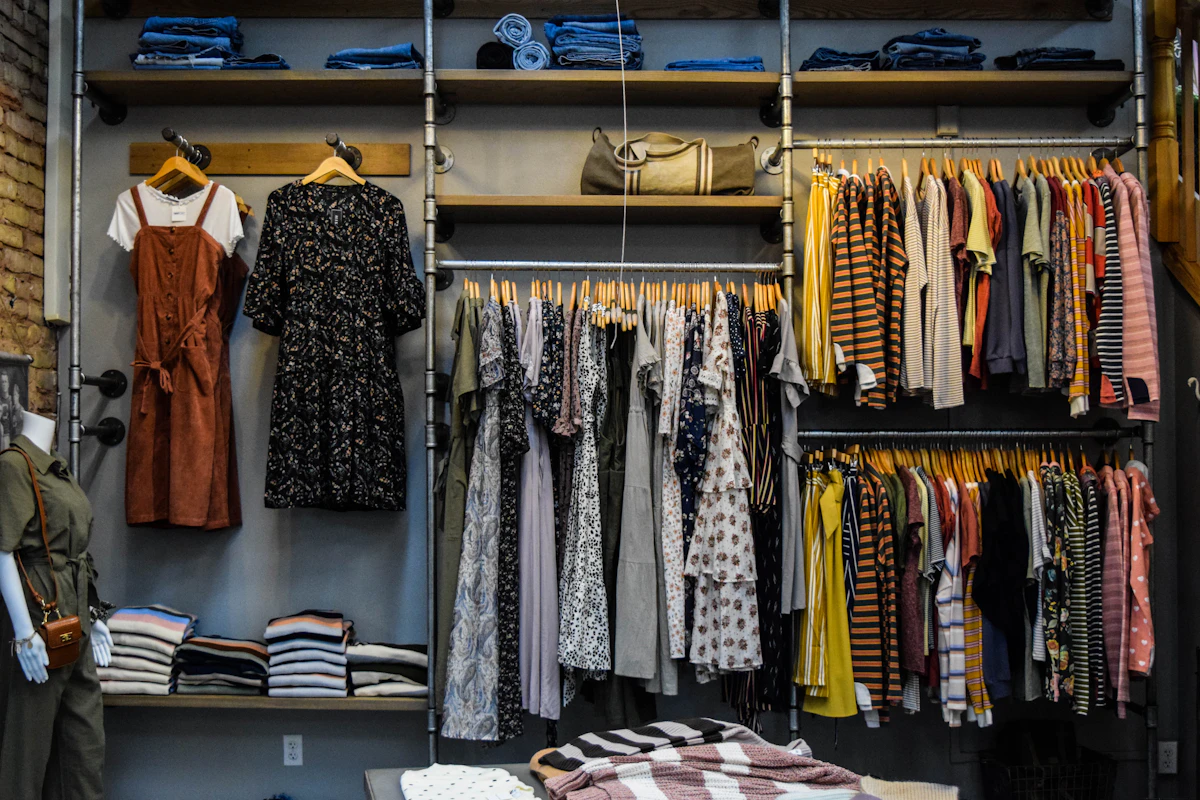
Maddie has always loved fashion — modern Western, slightly preppy, lots of denim, the boots-and-skirt thing. She is at the outlets constantly because she lives basically half her life at Kimball Junction. About a year and a half ago she started noticing that the actual clearance racks at Tanger had legitimate brand-name pieces marked down to a fraction of what those same pieces were going for online.
She tested it. Bought one denim jacket on clearance for nineteen dollars, listed it on Depop for forty-two, sold it in three days. The math was obvious. She was thirteen.

The apps she uses
- Depop — her primary listing platform. Younger user base, fashion-forward, the bulk of her sales.
- Poshmark — secondary, for slightly older buyers and for the cross-listing strategy.
- Mercari — occasional, mostly for non-clothing inventory.
- Notes app — old-school inventory tracker. Item, source, cost, listed price, sold price, fees, profit.
She has tried inventory-management apps and disliked all of them. The notes app works fine at her scale.

The routine
Maddie's actual workflow:
- Bus to Kimball Junction. Tanger first, then the surrounding outlet retailers.
- Comb the clearance racks. She has a mental map of which stores mark down on which days.
- Photograph promising pieces in the dressing room (she does not buy without photographing).
- Quick eBay-sold-comp search on her phone to verify the resale price.
- Buy only if the margin works. Her threshold is roughly 2.5x cost after fees.
- Bus home.
- That night: photograph against our white wall in the in-town house, list, cross-post.
- When something sells, ship from the post office on Park Avenue.
The math
Her average piece costs her somewhere around twenty-five dollars and resells for sixty-five to eighty. After Depop fees and shipping, her margin is roughly thirty dollars per piece. She moves three to six pieces a week. Do the math. It is not bad.
What sells
The categories she has learned actually move:
- Western-inflected denim — jackets, skirts, the higher-end embroidered stuff.
- Branded boots that look new.
- Specific athletic brands — anything Lululemon-adjacent or vintage Nike.
- Small accessories — belts, scarves, the occasional bag.
What she has learned does not move: fast-fashion logo tees, anything obviously over-stocked, and weird sizing.
What I have watched her learn
This is the part I love. She has, completely independently, learned:
- Negotiation — she counters lowball offers without me.
- Customer service — she answers buyer questions same-day, every day.
- Tax basics — she will file as self-employed at year-end and we are doing it together.
- The cost of returns — she has had two and she has incorporated them into her pricing model.
- The discipline of inventory cycling — she does not let stale items sit forever.

My slight wariness
I do worry, as her mother, about a fifteen-year-old being on a public-facing app dealing with strangers. We have rules: she ships from the post office, never gives out our address informally, blocks any buyer who behaves weirdly, and I have access to her account. So far, no incidents.
Why PC enables this specifically
This is genuinely a Park City story. Maddie is at Kimball Junction in the first place because the bus runs there. The outlets exist because the resort traffic supports them. The clearance racks are deep because the outlets are oversized for the year-round population. And Maddie can spend a full afternoon there alone because the town is set up for that. She could not be doing this in most American suburbs.
I am openly proud of her. This is a real skill — sourcing, pricing, listing, shipping, customer service, taxes — that she will carry the rest of her life, regardless of whether she ever resells another denim jacket. And she built it on the bus and at the outlets. Park City delivered. — Tricia P.