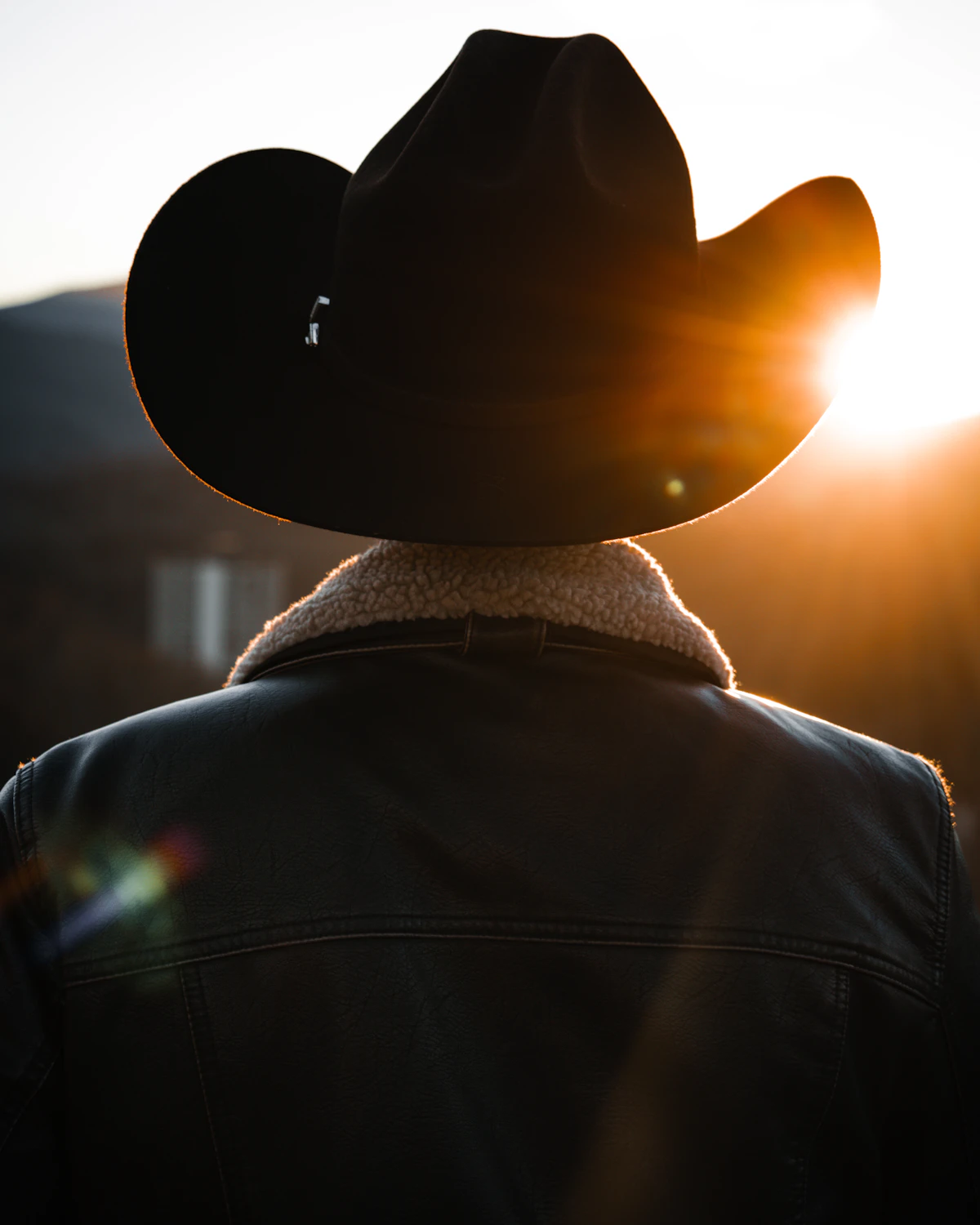
Kemo Sabe Park City: A Hat Collector's Guide and a Quiet Brag
I started collecting Kemo Sabe hats when the brand was Aspen-only — one hat per ski trip. Now there's a Kemo Sabe on Main Street. Here's how to actually pick a hat, and what twenty years of collecting taught me.
I bought my first Kemo Sabe hat in Aspen in February of 2003. We were only a few months into being Park City people — Mark and I had moved up right after the Olympics — and we'd taken a long-weekend ski trip down to Aspen because Mark's college roommate had a place there. I was twenty-six. I walked past Kemo Sabe on Galena Street, walked back, walked in. I walked out an hour later with a chocolate-felt cattleman with a horsehair band. I have not left a Kemo Sabe trip empty-handed since.
For about fifteen of those years, Kemo Sabe was Aspen-only. You had to make the pilgrimage. I added a hat per trip — sometimes two, when I was feeling decisive — and built what is now, frankly, an embarrassing collection. Then a few years ago they opened on Main Street in Park City, and the pilgrimage became a Tuesday afternoon. This is a quiet brag, a hat-collector's guide, and a primer on how to actually pick a Kemo Sabe.
Disclosure: Some links below are affiliate links. As an Amazon Associate I earn from qualifying purchases, and may earn from Booking.com, Mavely, and CJ partner links at no extra cost to you.
The Park City store
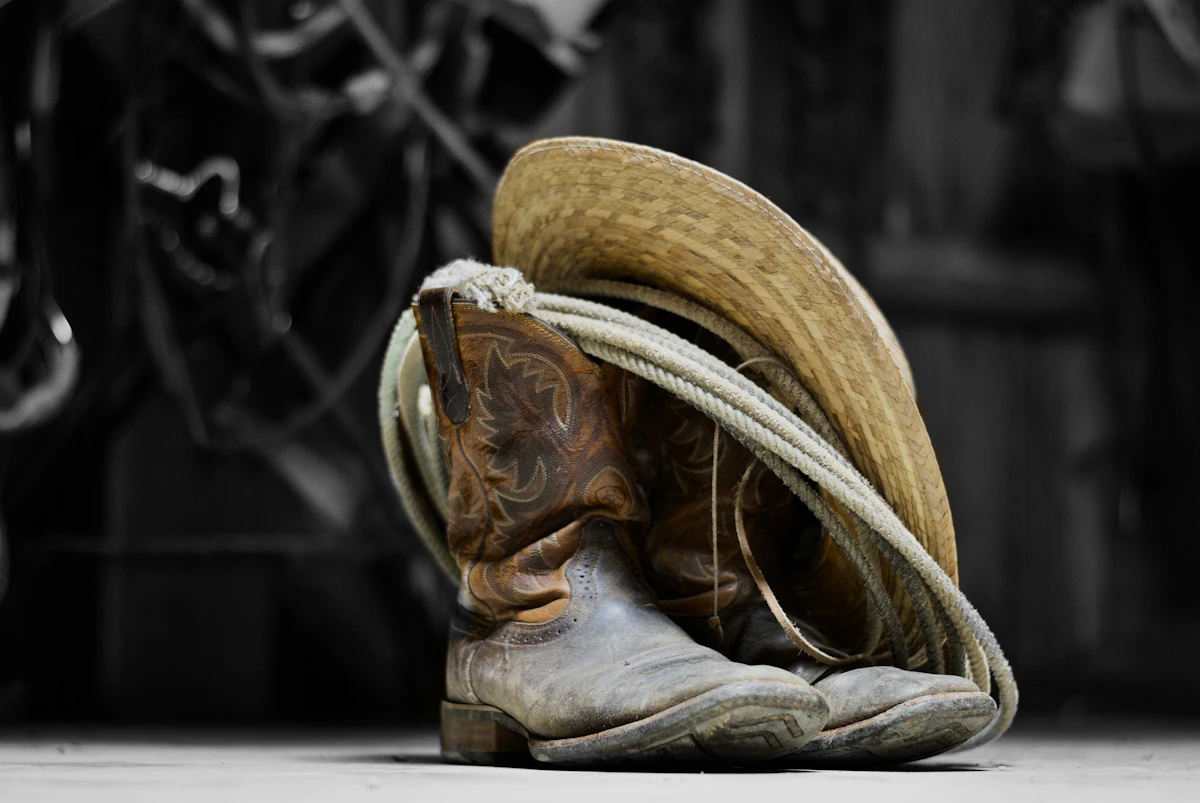
Kemo Sabe Park City sits on lower Main Street in a beautifully restored Victorian space. Same DNA as the Aspen mother store — wide-plank floors, the wall of feathers and bands, the velvet hat-shaping pillow, the smell of new felt and bourbon. They serve you a drink while you shop. The staff genuinely know hats; this is not a fashion store with cowboy props, this is a hat store with fashion sensibility.
It is the most unapologetically Modern Western retail experience in Park City. Which is to say: real Western tradition, executed with twenty-first-century taste. Not a costume.
How to actually pick a hat
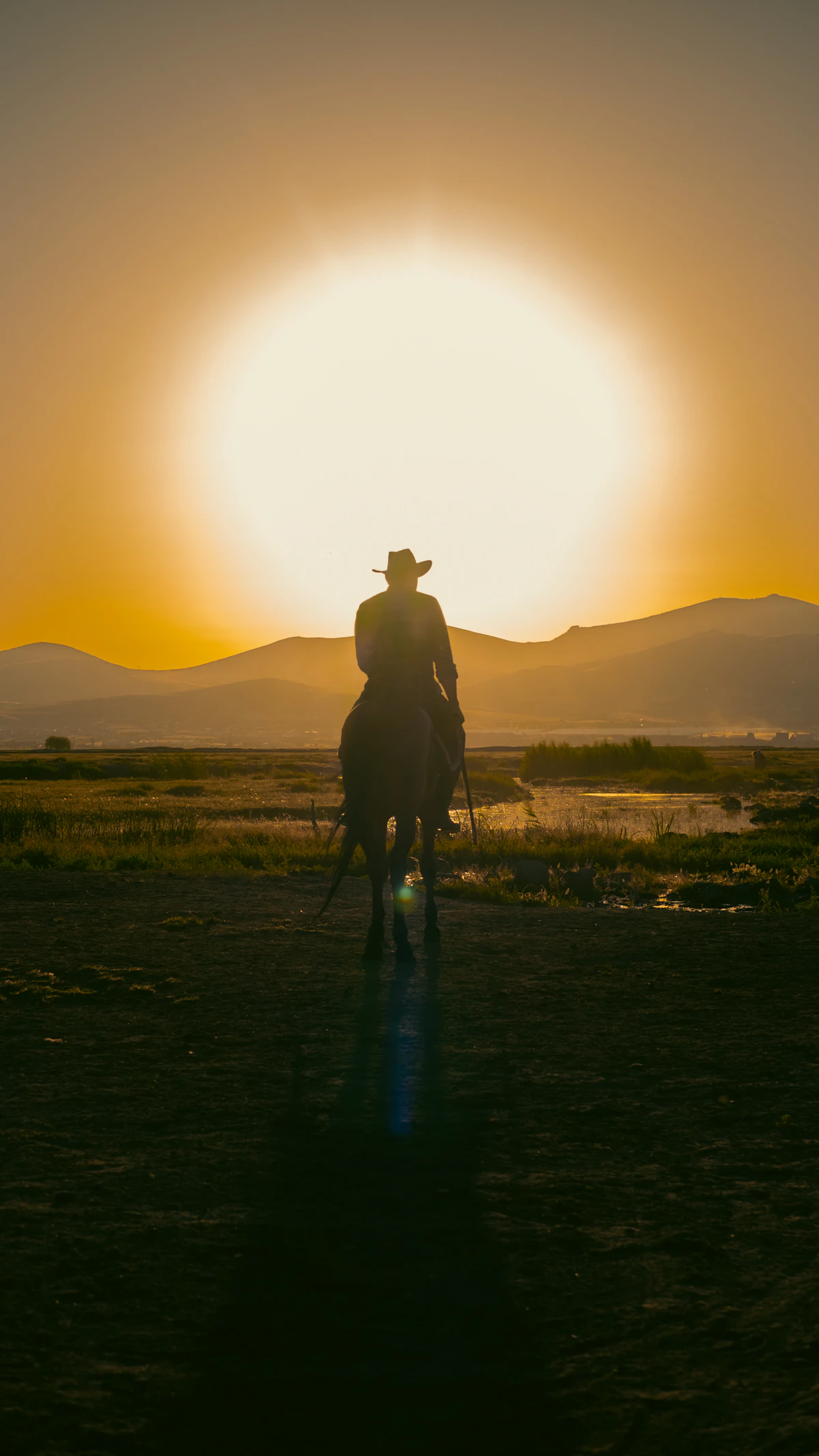
If you are buying your first Kemo Sabe, here's the framework I use. None of this is gatekeeping; this is just twenty years of mistakes and one or two correct decisions.
1. Crown shape
The crown is the personality of the hat. The basic options:
- Cattleman. The classic — center crease, two side dents. Versatile. Reads "Western" without reading "costume."
- Gus. Tall pinched front, sloped back. More dramatic. Excellent on tall people.
- Open crown. No crease. You shape it yourself with the staff. The most personal option, the one I usually steer first-timers to if they're going to wear the hat a lot.
- Telescope / boss-of-the-plains. Flat-topped, no dent. Vintage, very Modern Western when paired right.
2. Brim
Brims have width and shape. The wider the brim, the more dramatic. The flatter the brim, the more contemporary. A turned-up brim reads classic-Western; a flat brim reads younger / Modern Western. I have hats in three brim widths and I wear all three.
3. Material
Kemo Sabe sells felt and straw. Felt is fall and winter. Straw is summer. Within felt:
- Wool felt. The entry point. Sturdy, less expensive, not as fine.
- Beaver felt. The middle and the upper-middle. Smooth, dense, holds shape.
- Pure beaver / 100X+. The top. Soft as suede. Expensive. Worth it once.
4. The band
This is where Kemo Sabe earns its reputation. The band is what makes the hat yours. Horsehair, leather, sterling, beaded, feathered. They will sit you down at the band wall and let you try combinations. (For the classic Stetson crowd, this is the upgrade conversation.) Do not rush this. The right band is what takes a generic Western hat and makes it the hat you wear for fifteen years.
5. The fit
Get the fit right or none of the above matters. Kemo Sabe steams and shapes hats to your head. Insist on it. A hat that sits even a quarter-inch wrong looks like a costume. A hat that fits looks like clothing.
My collection (the quiet brag)
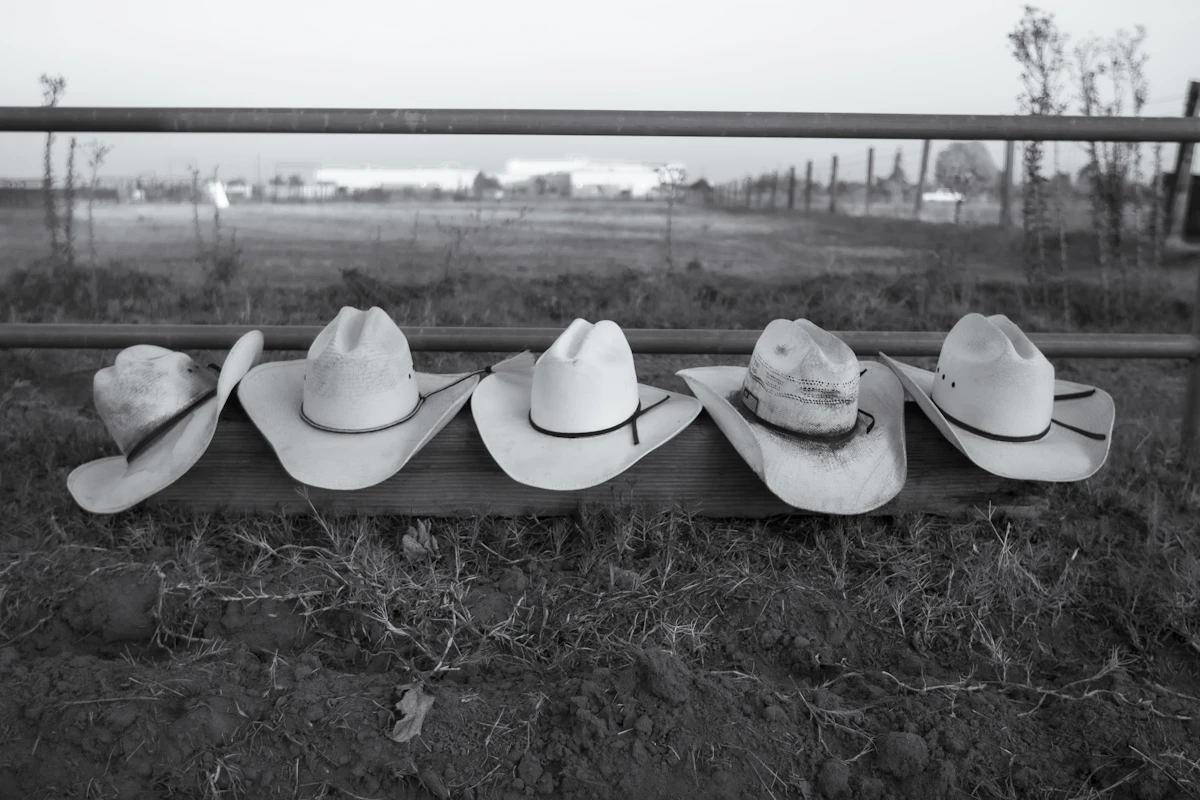
I have, last count, sixteen Kemo Sabe hats. The ones in heaviest rotation:
- The 2003 chocolate cattleman. Beat-up. Soft. The original. I will be buried in this.
- A buckskin open-crown from 2011, with a sterling concho band Mark gave me for our anniversary.
- A black gus in pure beaver, bought in Aspen in 2017. The dressy hat. Travels well.
- An ivory telescope in shantung straw for summer. Surprising amount of wear.
- A gray flat-brim cattleman, the most recent Park City purchase, with a horsehair band in three braids. The Modern Western workhorse.
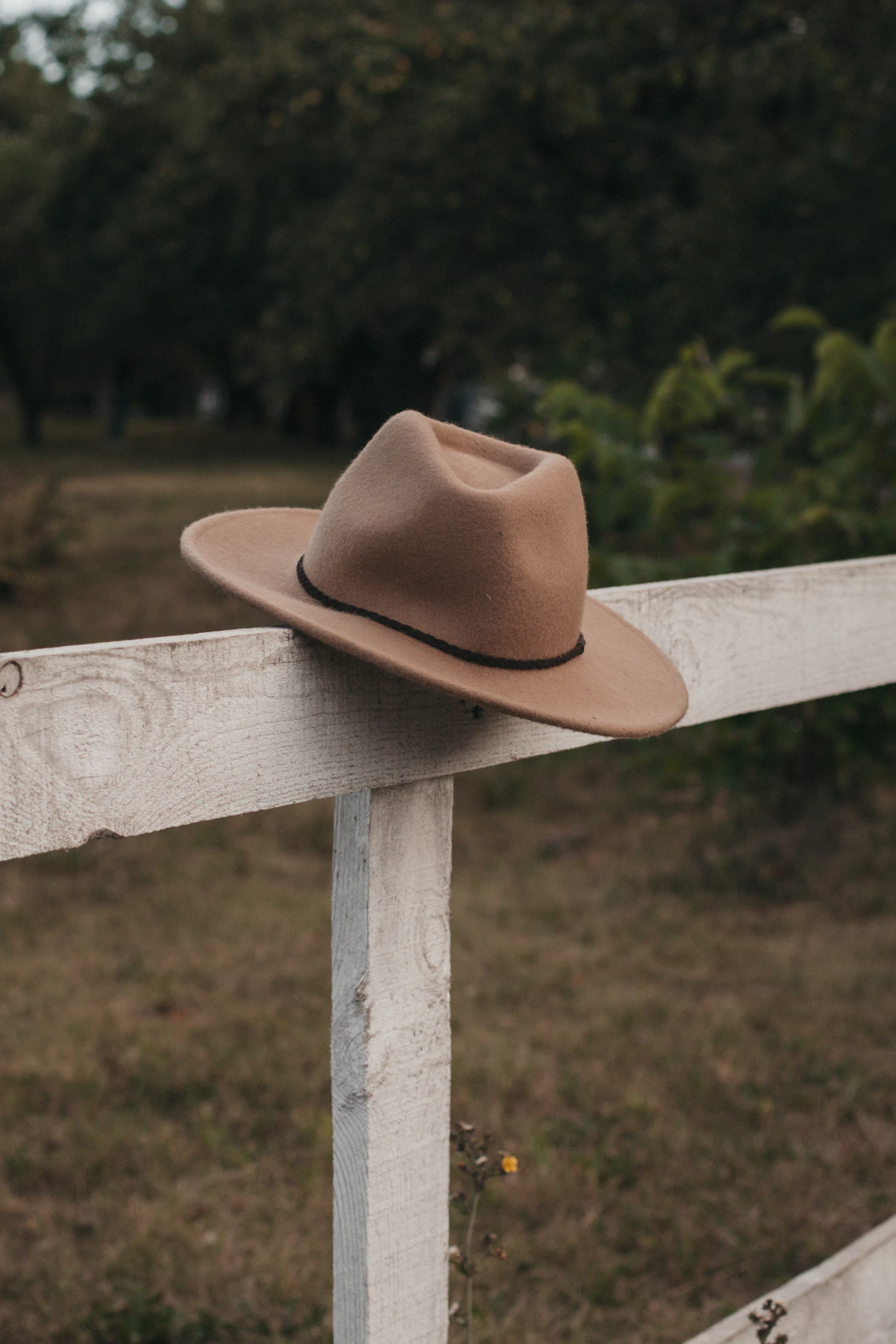
Aspen-Western vs. Park City Western
One thing I'll say as someone who's been buying Kemo Sabe across both stores for twenty years: Aspen Western is older and more lived-in. Park City Western is more polished, more hotel-resort. Both are real, both are great, they're just different. I split my collection across both vibes on purpose.
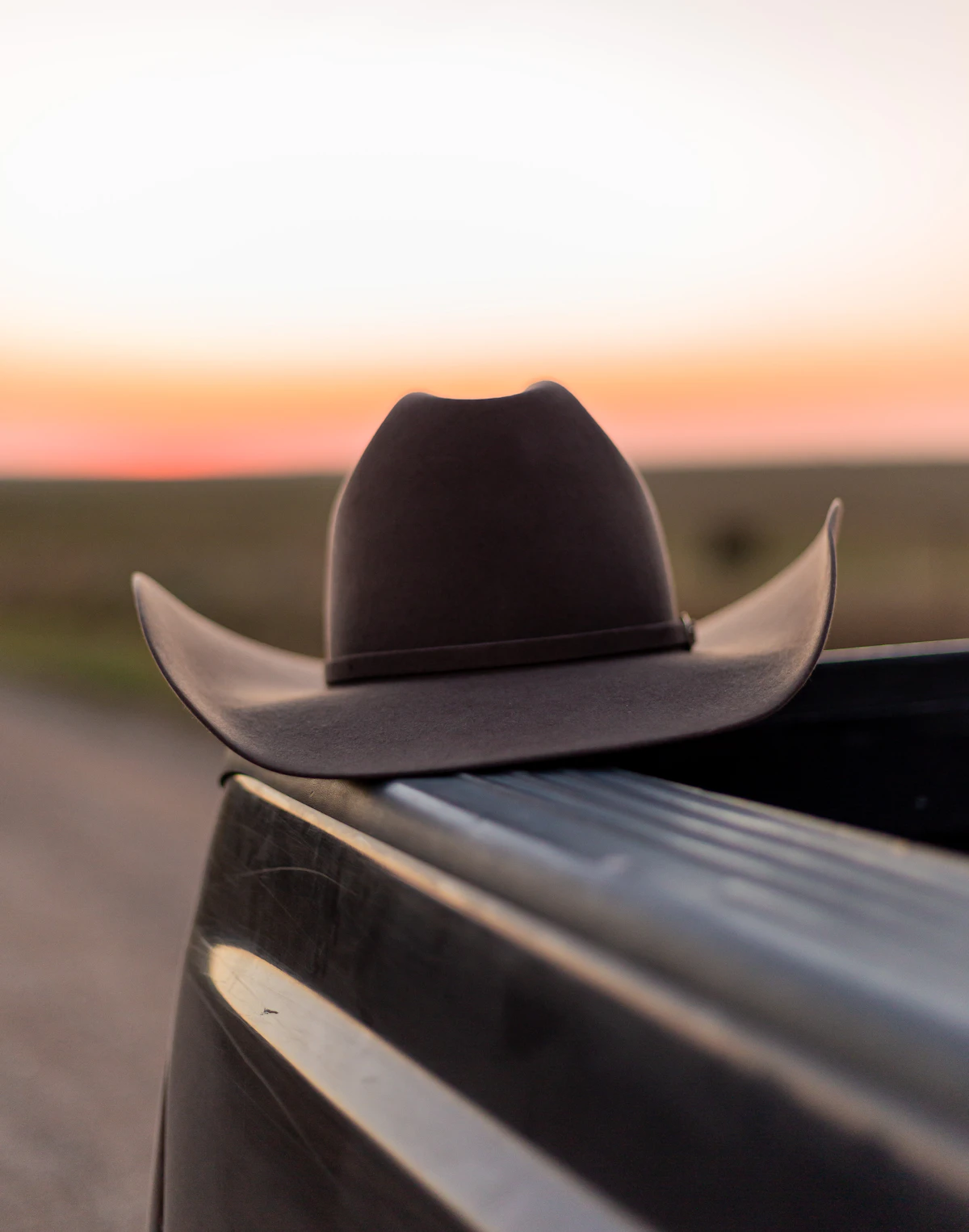
What it actually costs
Wool-felt entry hats start around $400. Beaver-felt mid-range hats run $700-$1,400. Pure-beaver-and-up hats can run $2,000+. Bands are extra and can run another $200-$1,200. The wardrobe it slots into: boots from Tecovas or Lucchese, denim from Wrangler, hat from Kemo Sabe. This is a real purchase. It is also a thirty-year purchase, if you take care of it.
If you've been Kemo-Sabe-curious and waiting for permission, this is your permission. Go in on a slow weekday afternoon, take the offered drink, sit at the band wall for as long as it takes. The hat you walk out with should be the one you cannot stop thinking about. Twenty years in, I still have the same problem.