The National Ability Center Equestrian Program: Inside the Volunteer Experience
What it actually looks like to volunteer at the NAC equestrian program — the horses, the riders, and why fifteen years in I still show up Saturday mornings.
I grew up on horses in Nashville. Hunter-jumper barn off Hillsboro Road, the kind of place where your saddle pad smelled like Tennessee summer no matter what season it was. When we moved to Park City in 2002 — Mark and I came right after the Olympics, when the town was still figuring out what it wanted to be — I assumed I'd find a barn and that would be that. What I didn't expect was finding the National Ability Center, and what I really didn't expect was that it would become the thing I am most protective of in my life here.
I started volunteering with the NAC equestrian program in 2010. A friend from my Notre Dame tennis days had a daughter with cerebral palsy who rode at a similar program in the Midwest, and she practically prescribed it to me when she heard we'd landed in PC. I went out to the Quinney campus on a Tuesday morning fifteen years ago, and I have not really stopped going.
Disclosure: Some links below are affiliate links. As an Amazon Associate I earn from qualifying purchases, and may earn from Booking.com, Mavely, and CJ partner links at no extra cost to you.
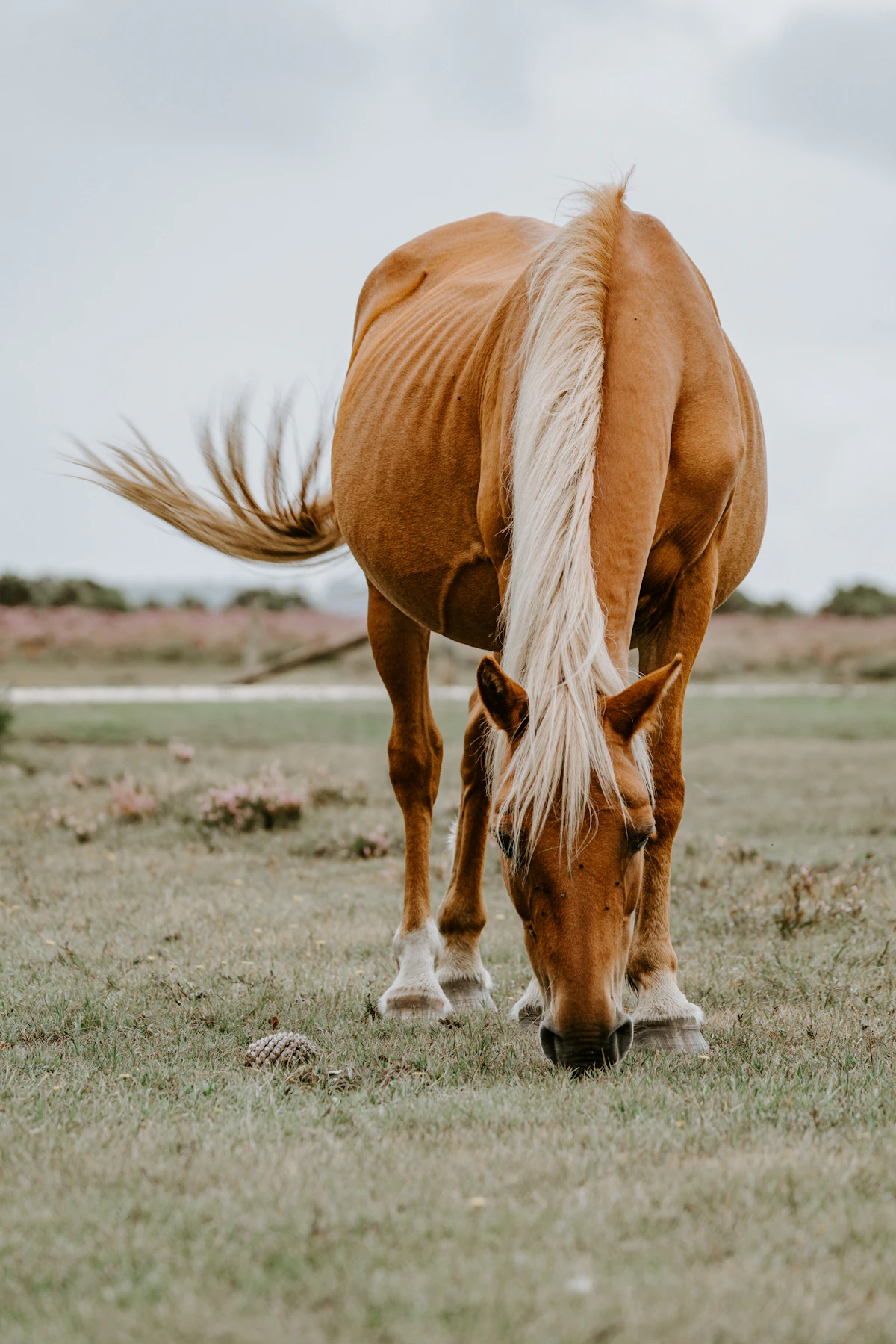
What the program actually is
The NAC equestrian program is adaptive horseback riding — therapeutic riding for kids and adults with physical, cognitive, and developmental disabilities. We work with riders who have spinal cord injuries, autism, Down syndrome, traumatic brain injuries, MS, visual impairments, and a long list of diagnoses that, frankly, stop mattering the second a rider is in the saddle. The program runs year-round at the NAC's main campus off Highway 248, in the indoor and outdoor arenas behind the Quinney Welcome Center.
Sessions are run by certified PATH International instructors. Volunteers wear closed-toe boots — I keep a pair of tall paddock boots in the truck — and the lesson barn has helmets but I prefer to bring my own English riding helmet. Volunteers like me are the workforce that makes a single 45-minute lesson possible — most rides require three of us per rider.
The three volunteer roles
If you sign up, you'll end up doing all three eventually:
- Sidewalker. You walk alongside the horse with a hand on the rider's thigh or the saddle. You're spotting, you're cuing, you're sometimes the only thing keeping a rider grounded mentally. This is the role most people start with.
- Horse leader. You're at the horse's head with a lead rope. You set the pace, you read the horse, you communicate with the instructor. This requires more horse experience — the NAC will train you up to it.
- Barn helper. Tacking up, untacking, grooming, mucking, turnout. The unglamorous backbone of the program. The horses notice who shows up early and who lingers after — and so do the staff.
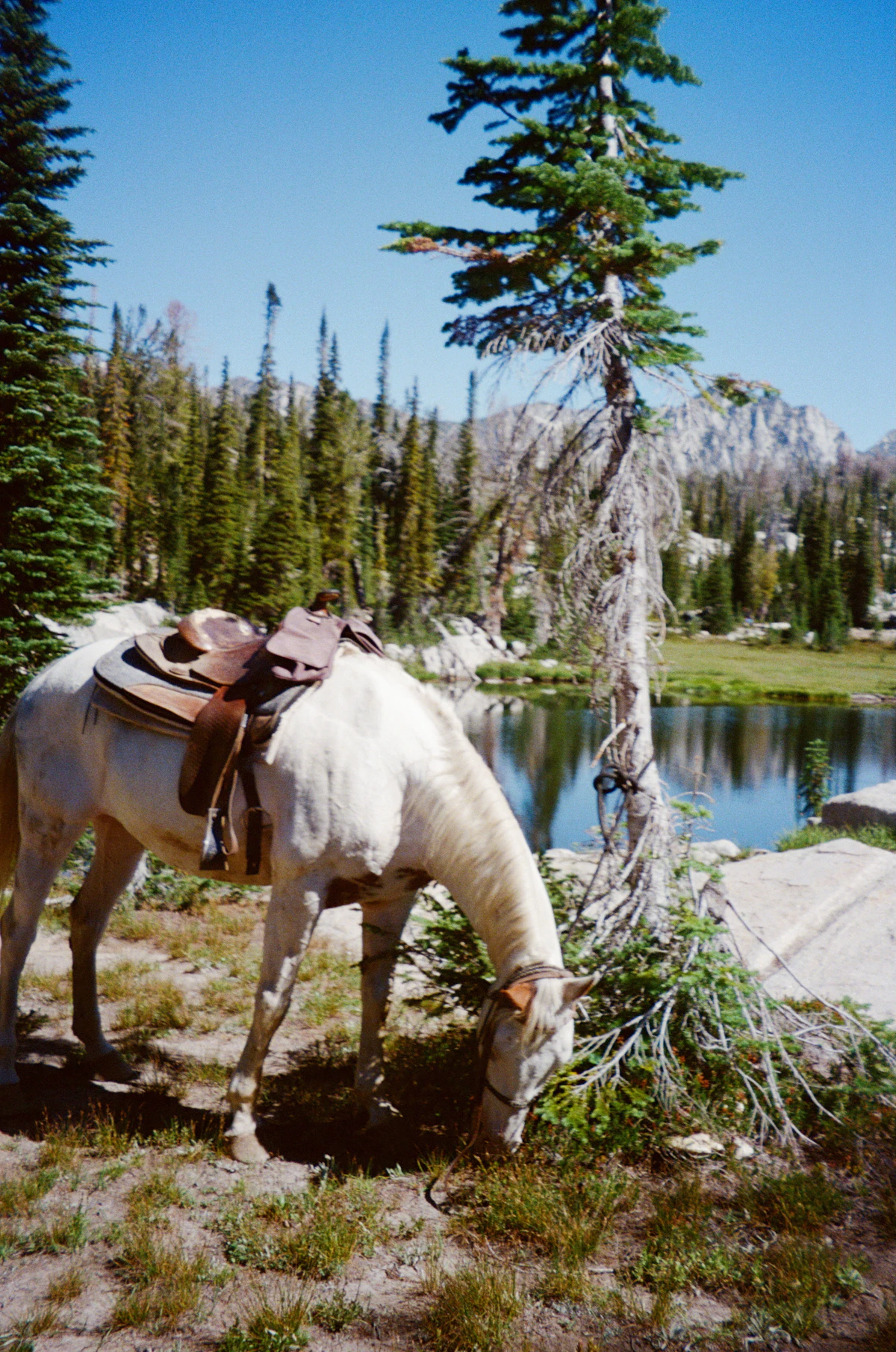
The horses
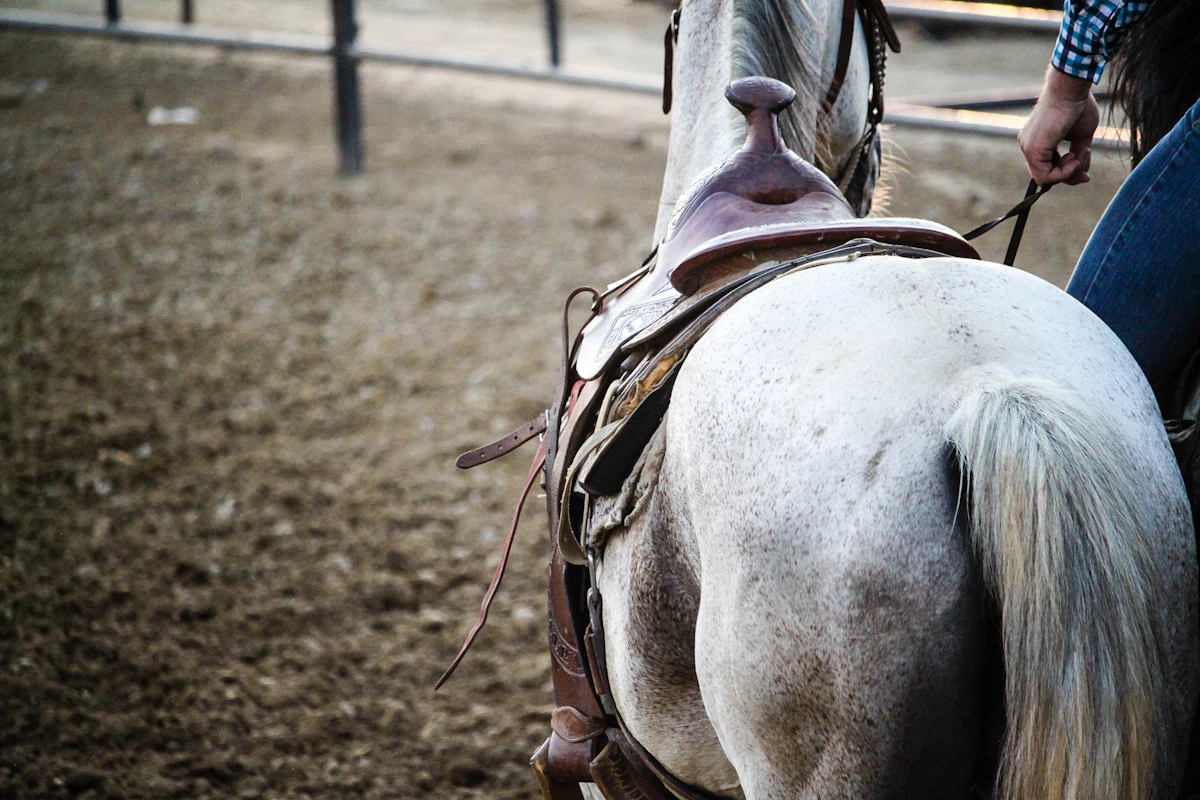
Therapy horses are a specific kind of saint. The NAC herd has rotated over the years — I remember Cisco, a stocky paint who was the calmest horse I have ever put my hands on, and Doc, a quarter horse who could tell within thirty seconds whether his rider needed energy or stillness that day. Currently I work most often with a haflinger named Biscuit and a draft cross named Theodore. They are not the flashy horses I rode in Nashville. They are better than those horses. They are doing harder work.
Why it changes you
I won't oversell this. I'll just say: there is a particular Saturday morning I think about a lot, when a nine-year-old rider with severe autism — who'd been in the program eight weeks and had not made eye contact with any of us — looked down at me from the saddle and said, clearly, "walk on." That was four years ago. I cried in my car in the parking lot. I will cry telling people about it for the rest of my life.
You go in thinking you are giving something. You leave understanding that the riders, and the horses, are running the actual show.
How to volunteer
The NAC's onboarding is a real process and it should be — you're working with vulnerable populations and 1,200-pound animals. Here's what to expect:
- Apply through the NAC volunteer portal at discovernac.org.
- Attend a general volunteer orientation (about 90 minutes, held monthly).
- Complete equestrian-specific training — usually two Saturday mornings, including ground work and a horsemanship assessment.
- Commit to a recurring shift. The program runs in seasonal sessions; most volunteers commit to one morning a week for an 8-week block.
- Background check, signed waivers, the standard.
You do not need horse experience. You need to be steady on your feet, comfortable being told what to do, and willing to show up consistently. Cancellations hurt — riders' schedules are built around volunteers being there.
The honest part
It is cold in the indoor arena in February. It is dusty in the outdoor in August. You will get stepped on at least once. You will end up with hay in places hay should not be. None of this is the point. The point is the rider, the horse, the instructor, and the forty-five minutes of progress that the rest of us happen to be lucky enough to assist with.
If you've been in Park City a while and you've been looking for the thing — the volunteer commitment that actually means something — this is the one. I'm in the indoor most Saturdays at 9 a.m. Come find me.
I'll write more soon about the rest of what the NAC does — the ski school, the cycling, the new Quinney Welcome Center — but the equestrian program is my home base, and it's where I'd start anyone who's curious. Fifteen years in and Biscuit still nuzzles my coat pocket for the peppermint he knows is there. Some routines you protect with your life.