How I Run a 2-Week Yoga Teacher Training Through Park City Winter Break
The two weeks PCSD calls winter break, I call my December cohort. How I host an intensive yoga teacher training through Christmas and New Year's, where the students stay, and why the snowshoe at Mountain Trails is on the syllabus.
Disclosure: Some links below are affiliate links. As an Amazon Associate I earn from qualifying purchases, and I may earn a commission from Booking.com, Mavely, and CJ partner links at no extra cost to you.
People are surprised when I tell them I run a 2-week intensive yoga teacher training through Park City's winter break. The natural question is: aren't your own kids home from school for those two weeks? They are. And the very next, very fair question is: how on earth do you do both?
The honest answer is that I built my business around the calendar I actually have. Hazel and Owen are at Jeremy Ranch Elementary. Winter break runs roughly the last week of December through the first week of January. The wellness market — my market — is at its peak hunger for retreat-style offerings during exactly those two weeks. So instead of fighting the calendar, I designed my flagship cohort to live inside it. The kids are with our nanny and Jeff (Jeff has built-in vacation that aligns), the students fly in from across the country, and I run a traditional, holistic, two-week experience in nature. This post is the operational mechanics of that, in case it's useful.
The cohort, briefly
The training is a 200-hour yoga teacher training compressed into a residential 2-week intensive. Students arrive on a Saturday, leave on a Sunday two weeks later. Cohort size is capped at twelve — small enough that I can actually teach, big enough that the group field is alive. Tuition covers instruction, the housing block, two daily meals, and trail access. It does not cover their flights or their off-day fun, which I am very clear about up front.
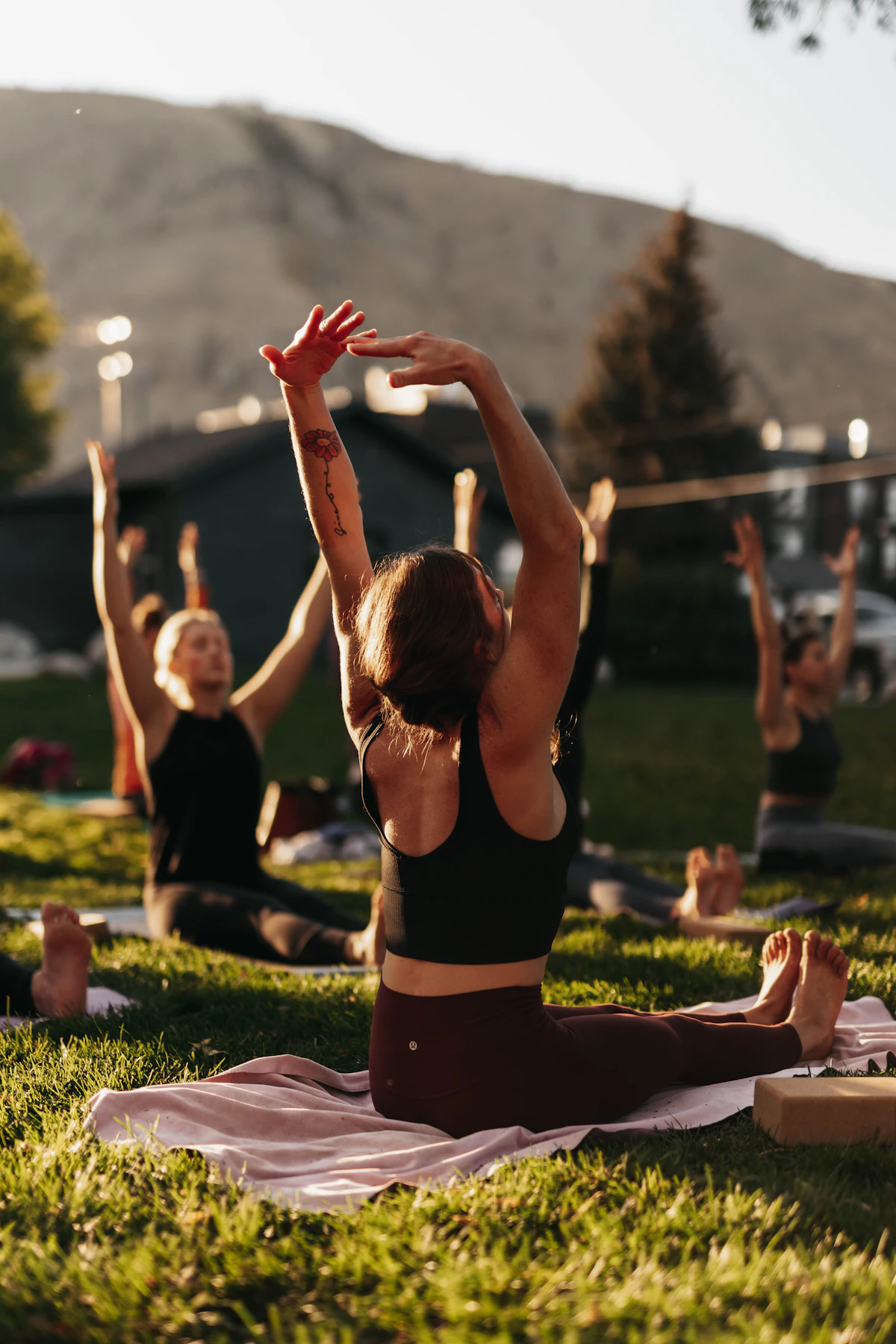
About a third of every cohort flies in from Upstate New York. That's my home tribe. Some of them are people I went to high school with; some are people who found me through my mom's wellness network back east. Another third are from Southern California (the LA crowd is reliable). The last third is everywhere else — Austin, Chicago, a couple from Nashville last year. The training is in English. Half the time, somebody asks if I'd ever run it in French (Hazel finds this hilarious; the French Immersion program at Jeremy Ranch is becoming her whole personality and I love it).
Where the students stay
This is the question I get asked most. The answer: I book a single Old Town Park City rentals rental for the cohort. Six bedrooms, big communal kitchen, walking distance to Main Street, walking distance to the studio space I rent for the practice block. Twelve students paired in shared rooms, two bathrooms per floor, a shared lounge. It functions like an ashram. People who've never lived in close quarters with other adults are nervous on day one and weeping at the goodbye on day fourteen. Every time. Without fail.
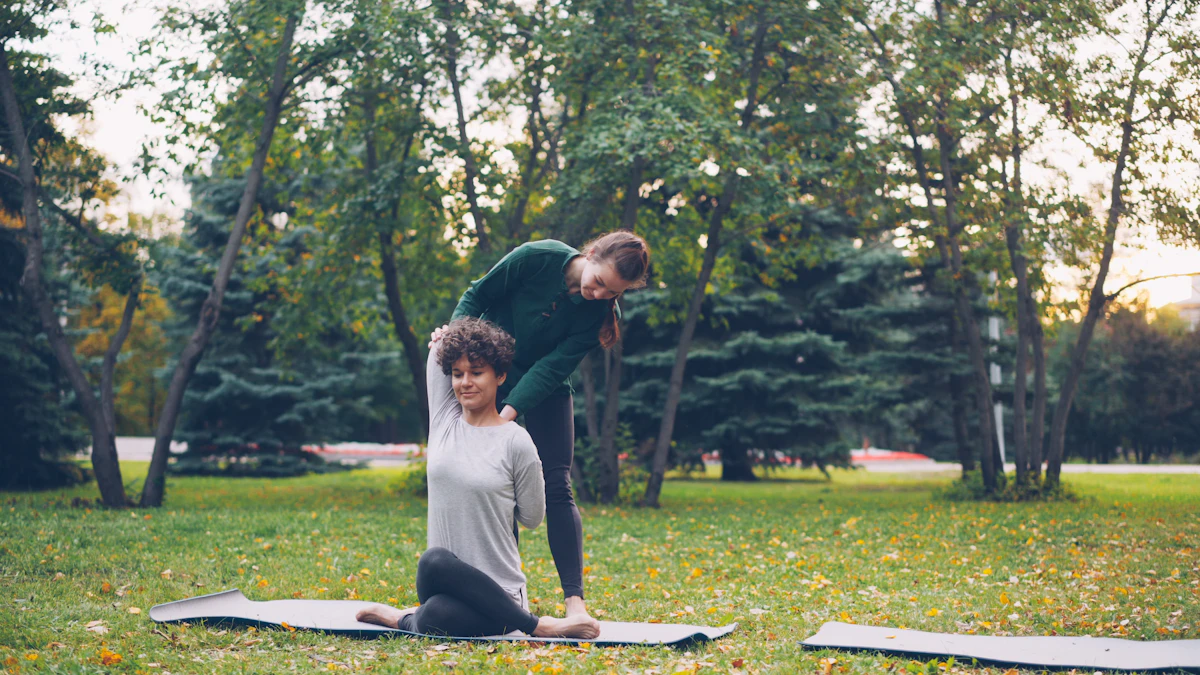
I lock the rental in February for the following December. Old Town inventory disappears the second snow forecasts go up.
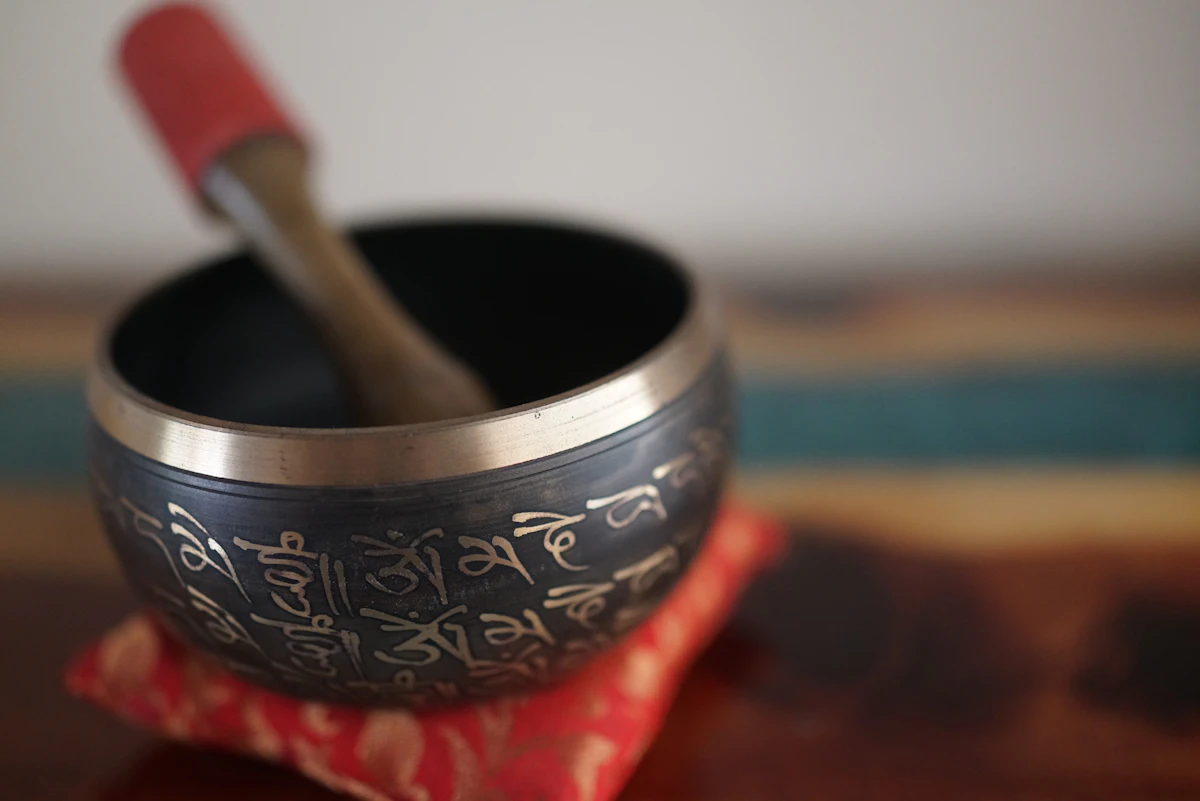
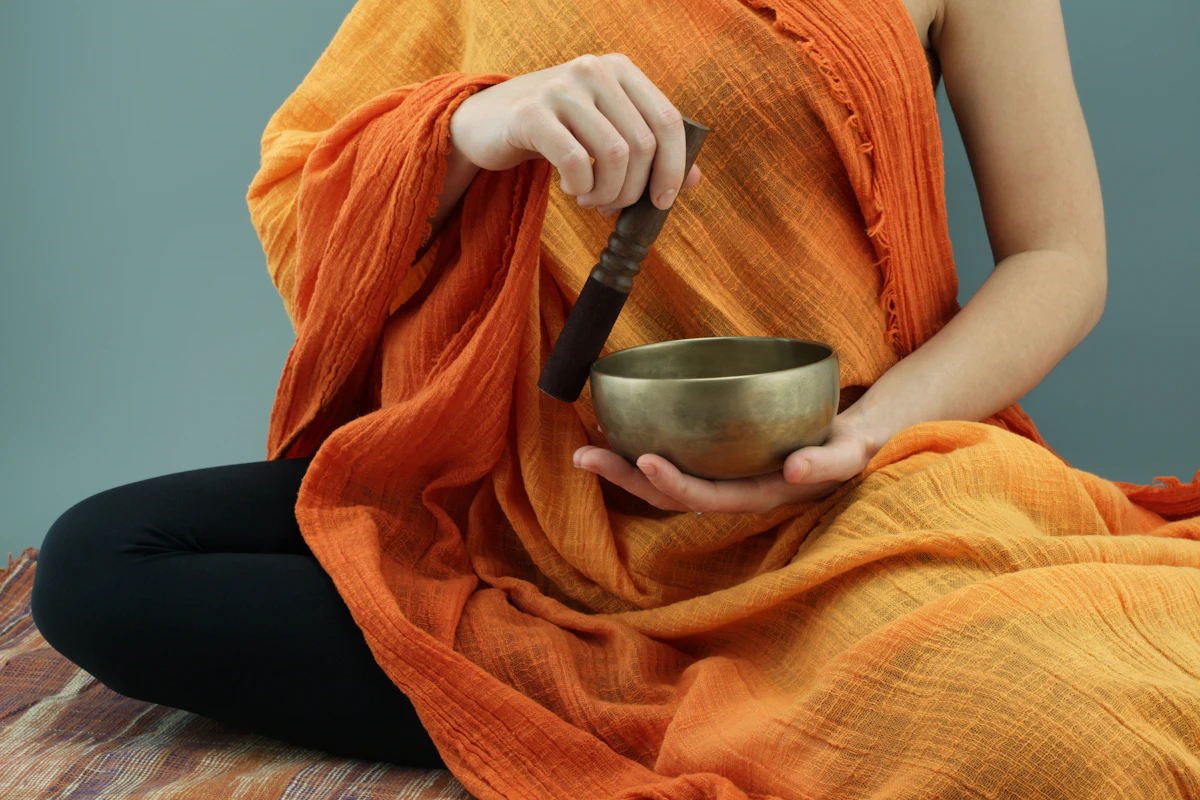
The training kit travels with the cohort. Twelve Manduka PROs (I supply them; students use mine for the duration), cork blocks two per student, cotton straps, bolsters for restorative night, the seven-piece chakra bowl set I have been carting around for a decade, and a Himalayan salt lamp for the satsang corner. The container has to look like a container.
The schedule, day-by-day shape
- 5:45am — lavender eye pillows.
- 6:30am — pranayama and meditation, 75 minutes.
- 8:00am — breakfast, communal, made by the cohort on a rotation.
- 9:30am — Manduka PRO mats, 90 minutes.
- 11:30am — anatomy / philosophy / methodology block, 2 hours.
- 1:30pm — lunch and rest.
- 3:30pm — afternoon practicum (teaching practice, cork blocks, sequencing labs).
- 5:30pm — daily integration: snowshoe at Mountain Trails Park, weather permitting. This is non-negotiable. The body needs to move outdoors.
- 7:00pm — dinner, communal, vegetarian.
- 8:30pm — Palo Santo for the room.
- 9:30pm — lights out.
One full day off mid-cohort. We schedule it for the first Wednesday so people can ski. PCMR (or, in my husband's accounting, The Canyons — he refuses) is right there. Most of the students take the day to ski. A few of them stay back and nap, which I respect.
Why the Mountain Trails snowshoe is on the syllabus
I know this looks like a vibe choice. It's not. Two weeks of intensive yoga in a residential setting, in winter, at altitude, will turn a body inward in a way that becomes claustrophobic if you don't move that body through cold air every single day. The snowshoe at Mountain Trails — we usually do the McLeod Creek loop or a stretch of the Rail Trail — does three things: it integrates the morning practice somatically, it dumps the over-thinking out of the head, and it lets the cohort experience the specific quality of Park City winter that I'm asking them to be present to. Yoga in Manhattan in summer is a different practice than yoga in Park City in December. The snow is part of the curriculum.
What happens at home while I'm doing this
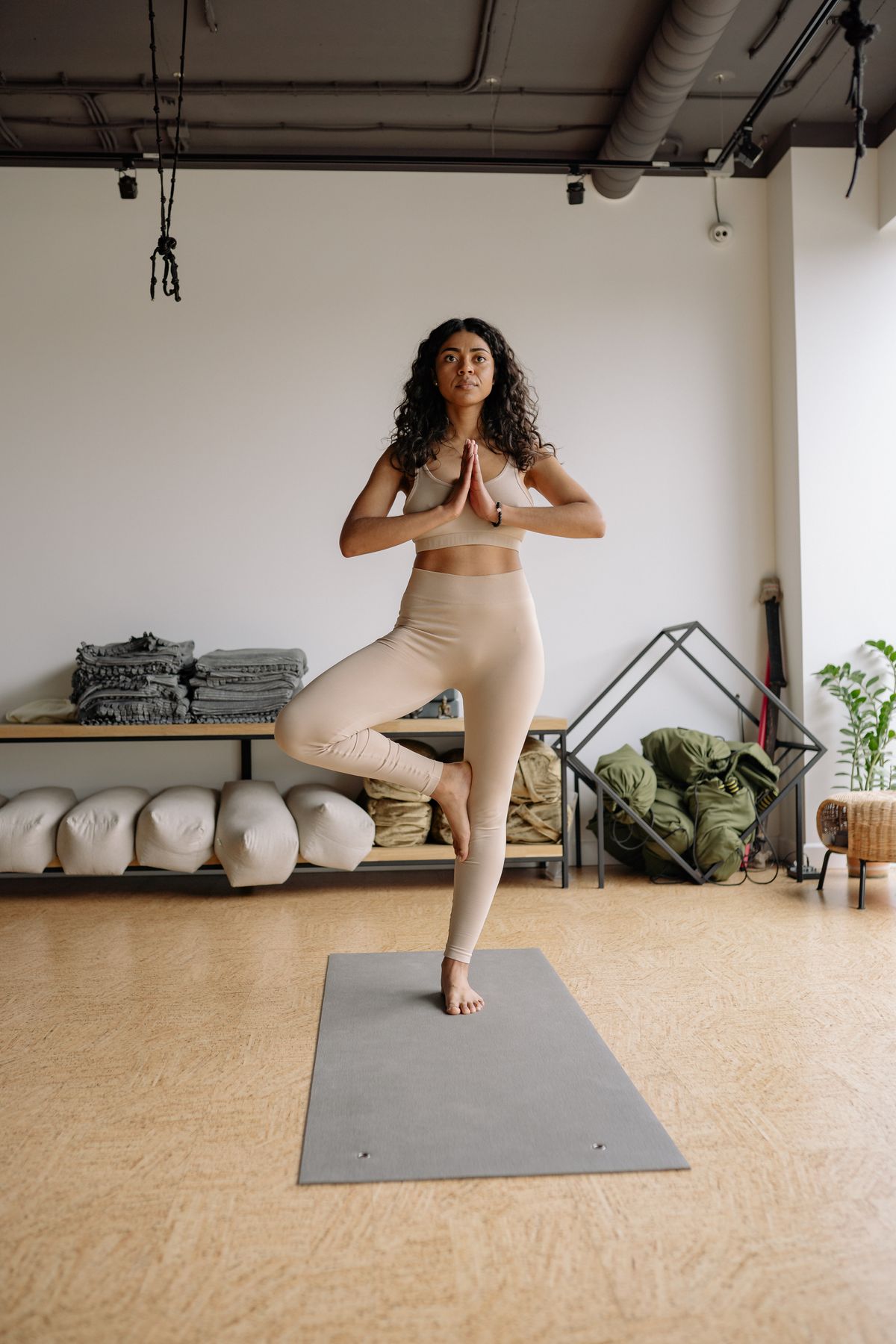
I want to be transparent. I'm not the parent on duty for these two weeks, by design. Jeff takes lead. Our nanny is full-time, live-in, and she steps up to a heavier rotation. Hazel and Owen do the things they would otherwise do during winter break: Woodward almost every day (we carpool with the same three Jeremy Ranch families and it is the best babysitting in the state of Utah), family ski playdates with the Andersens and the Kims, a holiday morning that Jeff and I do together, a New Year's Eve sleepover at our house with the kids' best friends.

I see my children every day. I have breakfast with them most mornings. I am not absent. I am also not the default parent for those fourteen days, and I make peace with that by having built a household that can actually hold it. That's not a humble thing to say. It's just true. I would not run this training if I didn't have the support I have.
The hippie-rich-kid-meets-yoga-business confession
I'll be honest about my path. I grew up with parents who were both ex-hippies and also, by the accident of an extremely well-timed inheritance on my dad's side, financially set in a way most people are not. That gave me the runway to do a gap year that turned into a job at The Canyons teaching kids' ski school, which turned into a life in Park City, which turned into a yoga career that I built slowly without the panic that drives a lot of women in this industry to overstuff their offerings. The training I run is small, expensive, intentional, and good. It pays for itself many times over and it is also the thing I would do for free, because it's where my own practice goes deepest. Both can be true.
If you're considering running a similar cohort
- Pick the calendar window with intention. If your own family rhythm can't absorb it, don't.
- Lock housing a year out. Old Town disappears.
- Cap the cohort. Twelve is my number.
- Build outdoor integration into the syllabus. Don't make it optional.
- Have one full operations partner. Mine is my sister-in-law, who flies in for the duration and runs everything that isn't teaching. I could not do it without her.
The two-week winter break is, in my house, the engine of the entire year. The students get a deep training in a sacred landscape; my kids get a different version of mom for fourteen days that is real but not absent; my husband gets to be the lead parent and is genuinely better for it; and the family arrives at January with the kind of full-tank feeling that only comes from everyone having done their actual work. Set an intention for your winter break. It doesn't have to be teacher training. It can be a single quiet practice. But the holiday weeks reward people who use them on purpose.
Recommended Products
Manduka PRO Yoga Mat
The Manduka PRO I've taught on for over a decade -- the heavy, rubbery, generationally good mat.
Megan's wellness kit
View on AmazonManduka Cork Yoga Block (2-Pack)
Cork blocks last forever and feel honest under your hands.
Megan's wellness kit
View on AmazonTibetan Singing Bowl 7-Piece Chakra Set
A 7-piece chakra bowl set is the kit I bring when I run an at-home sound bath for the cohort.
Megan's wellness kit
View on AmazonHimalayan Salt Lamp (6-8 lb)
Salt lamp on the side table during evening practice. Soft, warm, low.
Megan's wellness kit
View on Amazon* Affiliate links: We may earn a commission from purchases made through these links, at no extra cost to you. See our full disclosure.