Utah Olympic Park with Kids: Bobsleds, Zip Lines, and Olympic Dreams
The Utah Olympic Park is the single best family activity in Park City. Bobsled runs, zip lines, a ropes course, and real Olympic history, all open to the public.
Disclosure: Some links below are affiliate links. As an Amazon Associate I earn from qualifying purchases, and I may earn a commission from Booking.com, Mavely, and CJ partner links at no extra cost to you.
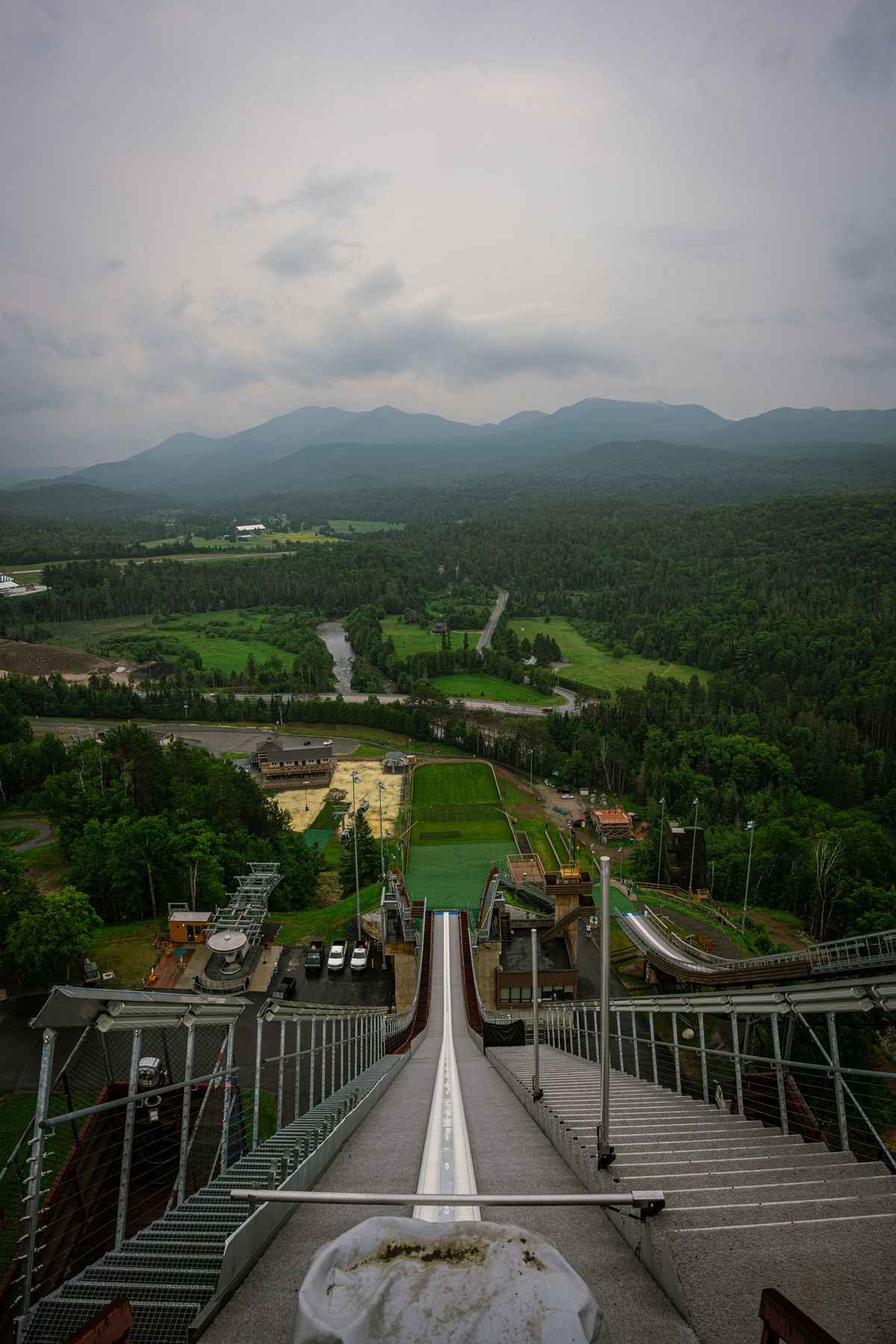
A Real Piece of Olympic History in Your Backyard
When friends ask me what single activity I recommend most for families visiting Park City, the answer might surprise them. Not skiing. Not hiking. Not the alpine slide. The Utah Olympic Park. The actual venue where athletes competed in the 2002 Salt Lake City Winter Olympics, open to the public for an incredible range of activities year-round. My three have done bobsled runs, zip lines, ropes courses, alpine slides, and guided tours here, and every single time we leave Liam is already asking when we can come back.
Utah Olympic Park sits about five minutes from Kimball Junction (visiting families staying at Kimball Junction condos on Booking are five minutes from the gate) off the Olympic Parkway exit, ten minutes from Main Street. It is operated by the Utah Olympic Legacy Foundation, which uses revenue from tourism activities to fund athlete training programs. So when you buy a ticket, you are literally supporting future Olympians. That is a pretty cool thing to explain to your kids while you are there.
The park is the primary training facility for the US Ski and Snowboard team, and on any given day you might see Olympic athletes training on the jumps, the sliding track, or the freestyle aerial ramp. Watching world-class athletes practice is free and absolutely mesmerizing. The aerial skiers launch off massive jumps, do flips and twists fifty feet in the air, and land in a pool in summer or on a snow slope in winter. Beck could watch this for hours, and the athletes are often approachable and happy to chat with kids.
What I appreciate most is that Olympic Park takes the Olympic experience and makes it accessible to regular families. You do not have to be an athlete to ride a bobsled, fly down a zip line, or navigate a ropes course. The activities are designed for normal people including kids, with appropriate safety measures and professional staff. It is an adrenaline-pumping, education-packed, genuinely unique experience that you simply cannot get anywhere else.
The Comet Bobsled: A Bucket-List Experience
The Comet Bobsled is the headliner attraction and it deserves every bit of the hype. You climb into a modified bobsled on the actual Olympic sliding track, a professional pilot takes the front position, and you blast through banked turns at speeds up to sixty miles per hour with G-forces pushing you into the seat. It is terrifying and exhilarating in equal measure, and it lasts about a minute that feels like both an eternity and an instant.
In winter, the bobsled runs on the ice track. The full Olympic experience. In summer, the Comet uses a wheeled sled on a concrete track, which is still incredibly fast and exciting but slightly less intense than the ice version. Both versions are a blast.
Age and size requirements apply. Riders must be at least sixteen years old for the winter ice track, but the summer bobsled accepts younger riders, typically age ten and up, with minimum height requirements. Check the current requirements on the Olympic Park website before promising your kids a bobsled ride. The disappointment of being turned away at the gate is real and ugly. Trust me on this one.
For kids who are too young, just being at the facility and watching the sleds fly by is exciting. The viewing areas along the track let you see and hear the sleds, and the speed is impressive even from the outside. The gift shop sells miniature bobsled toys that have provided hours of living room entertainment in our house.
Zip Lines, Ropes Course, and the Alpine Slide
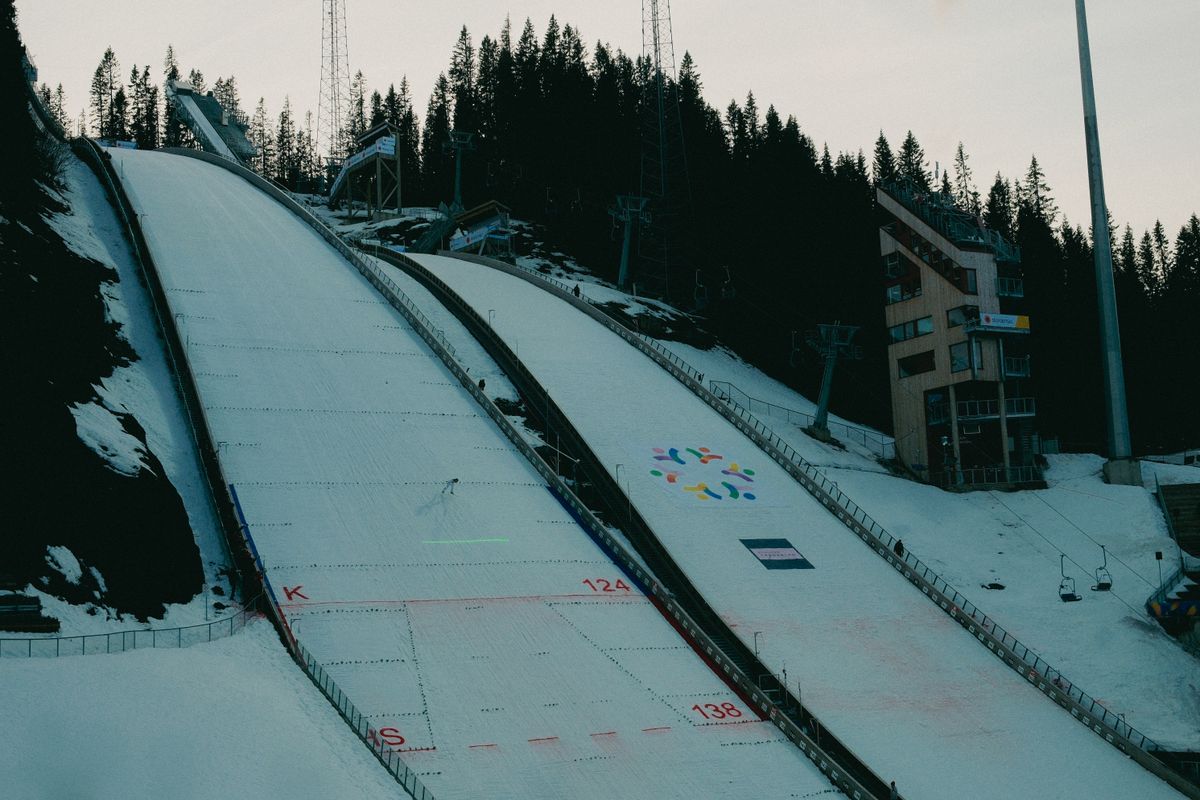
The Extreme Zip Line at Olympic Park sends riders from the top of the K120 ski jump landing hill down to the base, about 500 feet at speeds reaching fifty miles per hour. The view from the top is vertigo-inducing, looking straight down the steep landing hill that Olympic ski jumpers launch themselves off of. Riders must be at least 80 pounds, which typically means ages ten and up. The brief ride is an absolute thrill and the bragging rights are substantial.
The Discovery Course ropes challenge is perfect for younger kids and those who want adventure without extreme speed. A series of elevated platforms, bridges, and obstacles at varying heights, with a harness and safety cable system that allows free exploration. Kids ages four and up can tackle the lower elements, while older kids and adults can try the higher, more challenging obstacles. Ava spent almost two hours on the ropes course on her first visit and the confidence it built was visible on the drive home.
The Quicksilver Alpine Slide is a summer favorite. A wheeled sled on a concrete track that winds down the mountainside, with riders controlling their own speed via a hand brake. Similar to the alpine slide at Park City Mountain but with an Olympic Park twist, and the views from the top include the ski jumps and the sliding track. Kids must be at least 48 inches tall to ride alone, and younger or smaller kids can ride with an adult. We have done this slide dozens of times and the kids never tire of it.
In summer, the freestyle aerial training pool is open for public viewing and it is spectacular. Athletes launch off the ski jump ramps, perform complex aerial maneuvers, and land in a huge swimming pool. The combination of athleticism and splash factor makes it mesmerizing for kids. Viewing is free from the designated areas and the training schedule is posted at the park.
The Alf Engen Ski Museum and Olympic Gallery
Located in the Joe Quinney Winter Sports Center at the base of Olympic Park, the Alf Engen Ski Museum and the George Eccles 2002 Olympic Winter Games Gallery are included with most activity passes and are worth dedicated time.
The ski museum covers the history of skiing in Utah from its earliest days through the present, with exhibits on equipment evolution, resort development, and the cultural impact of skiing on the state. Interactive displays let kids try a ski jump simulator, test their reaction time, and learn about the physics of winter sports. The hands-on elements keep kids engaged in ways that traditional museums often do not.
The Olympic Gallery is dedicated to the 2002 Games and features medals, uniforms, equipment, and video highlights from the competition. For kids old enough to understand the Olympics (roughly six and up), seeing the actual medals and hearing the stories of athletes who competed right here at this venue creates a powerful connection to history and sports. Liam and Ava were inspired enough by the museum to research their favorite winter sports athletes when we got home, which counts as spontaneous learning and therefore a parenting win.
The museum is also a great rainy-day or cold-day option when outdoor activities are not appealing. You can easily spend an hour or more inside without exhausting the exhibits, and the building is comfortable and well-designed. Pair it with a snack from the cafe and you have a solid indoor family activity. Bring kids' headphones for the video exhibits, which can be loud in the echoey gallery space.
Seasonal Activities and Events
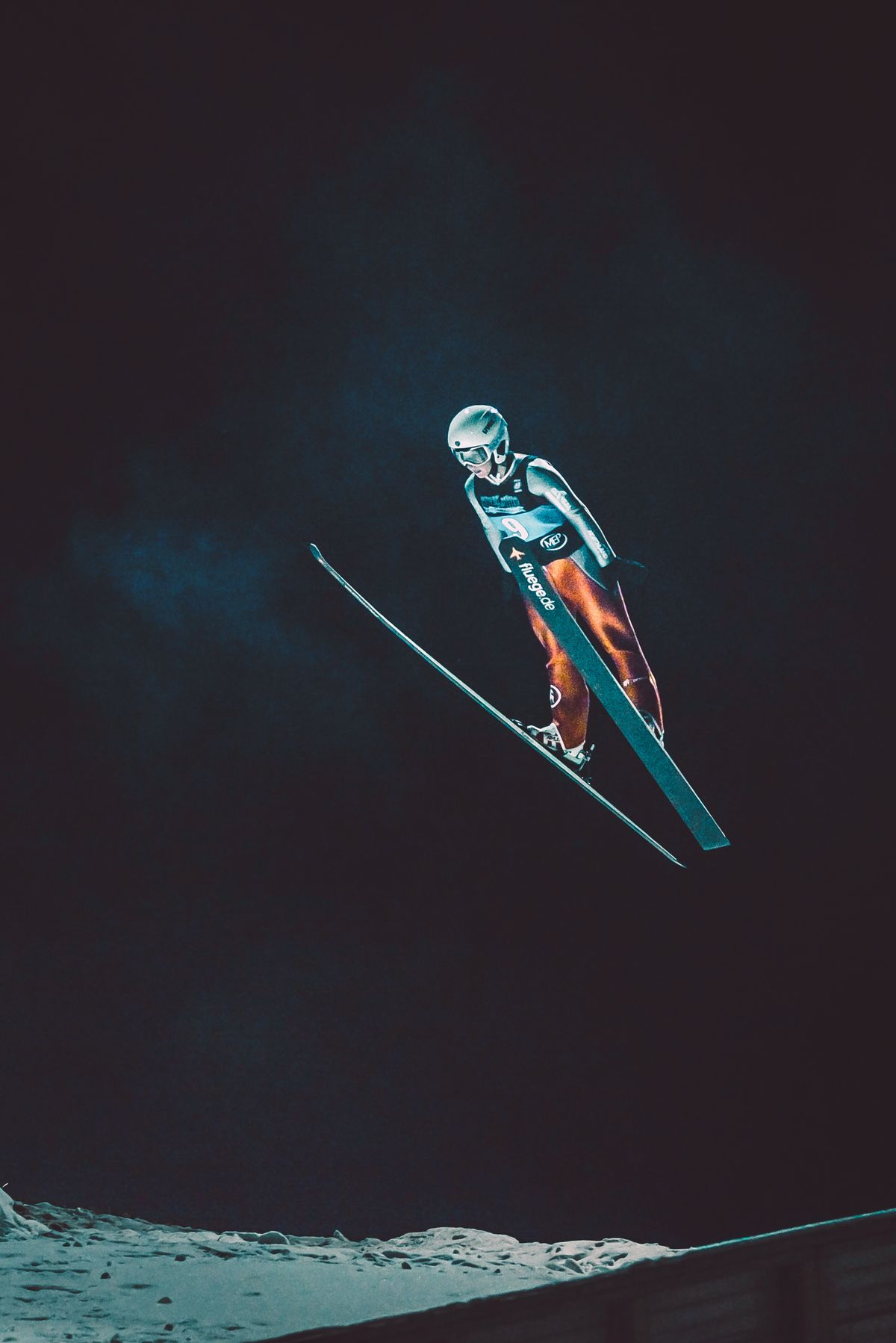
Olympic Park operates year-round but the activity lineup shifts with the seasons.
Winter at the park is when the sliding track is iced and the bobsled experience is at its most authentic. The Nordic skiing trails on the park grounds are open for cross-country skiing and snowshoeing, and the Flying Ace All-Stars freestyle show on certain winter evenings features professional aerialists performing under the lights. The show is family-friendly, festive, and a great alternative evening activity.
Summer is the peak season for family activities. The zip line, ropes course, alpine slide, and summer bobsled are all running, and the aerial training pool adds a unique spectator experience. Saturday mornings often feature special family events and activities. The park also hosts the Extreme Sports Festival in summer, which showcases everything from BMX to skateboarding alongside the winter sports training.
Fall brings smaller crowds and comfortable temperatures. Most summer activities continue through September and early October, and the fall colors in the surrounding hillsides add beauty to the experience. This is our favorite time to bring visiting family because the park is less crowded and the experience feels more relaxed.
Spring is the quietest season as the park transitions between winter and summer operations. Some activities may be unavailable during this transition, usually April through mid-May. Check the website for current schedules before a spring visit. The museum is open year-round and makes a good spring visit option even if outdoor activities are limited.
One Real Local Warning
The park's edges run into open foothills where moose are real residents. We have run into them on the access roads three different summers. Give them fifty yards minimum, and if a cow with a calf is between you and your car, wait it out, do not try to walk past. And altitude is no joke for sea-level visitors. Drink water on day one, do the easier ropes course first, save the bobsled for day two.
Practical Tips for Visiting with Kids
Buy tickets and activity passes online before you go. The website often has package deals that combine multiple activities at a discount, and online prices are sometimes lower than walk-up prices. The Day Explorer pass bundles the alpine slide, ropes course, and other activities at a savings over individual tickets. For families planning multiple activities, this pass is the way to go.
Arrive early in summer. The park gets busier as the day progresses, and the popular activities like the zip line and alpine slide can develop lines by mid-morning on weekends. Early arrival means shorter waits and more relaxed pacing. Weekdays are significantly less crowded than weekends if your schedule allows flexibility.
Dress in layers and apply mineral sunscreen generously. The park is at about 7,000 feet with limited shade on the activity course and zip line platform. Sun protection is essential, and the combination of altitude, exposure, and physical activity can lead to sunburn and dehydration faster than at lower elevations. Reef-safe mineral sunscreen, please. The runoff goes downstream into the same watershed our McPolin farm-stand eggs come from. Keep a water bottle with every family member and refill at the water stations.
Plan for three to four hours to do the park justice. Longer if you want to explore the museum thoroughly or if your kids want multiple runs on the alpine slide, which they will. We usually arrive around 9 AM and leave by 1 PM. A solid morning of activities and the afternoon free for other Park City adventures.
The park cafe serves decent food at reasonable prices for a tourist attraction, but packing a cooler with lunch and snacks is a budget-friendly alternative. Picnic tables near the base area have views of the jumps and training facilities. Watching athletes practice while eating your packed lunch is a uniquely Park City experience that never gets old.
Always pack a compact first aid kit. With kids on a ropes course, scrapes happen. Comfortable hiking shoes are non-negotiable for the trails around the park.
Recommended Products
Kimball Junction Stays
Closest base to the Olympic Park free walk-around. Bus runs to it from the lobby.
katie-enrichment-card
View on Booking.com (Awin)Frozen Moments: Olympic Park City Photo Book
Coffee-table 2002 keepsake. We pull it out before every visit.
katie-enrichment-card
View on AmazonApolo Anton Ohno Autobiography
Liam read it twice. The Olympic-kid origin story.
katie-enrichment-card
View on AmazonInsulated Kids Water Bottle
The walk-around is mostly outdoors at altitude.
katie-enrichment-card
View on Amazon* Affiliate links: We may earn a commission from purchases made through these links, at no extra cost to you. See our full disclosure.